Destination Guides
The Basque Coast, France & Spain
The coast where modern European surfing was born. Lunch still matters more than it should.
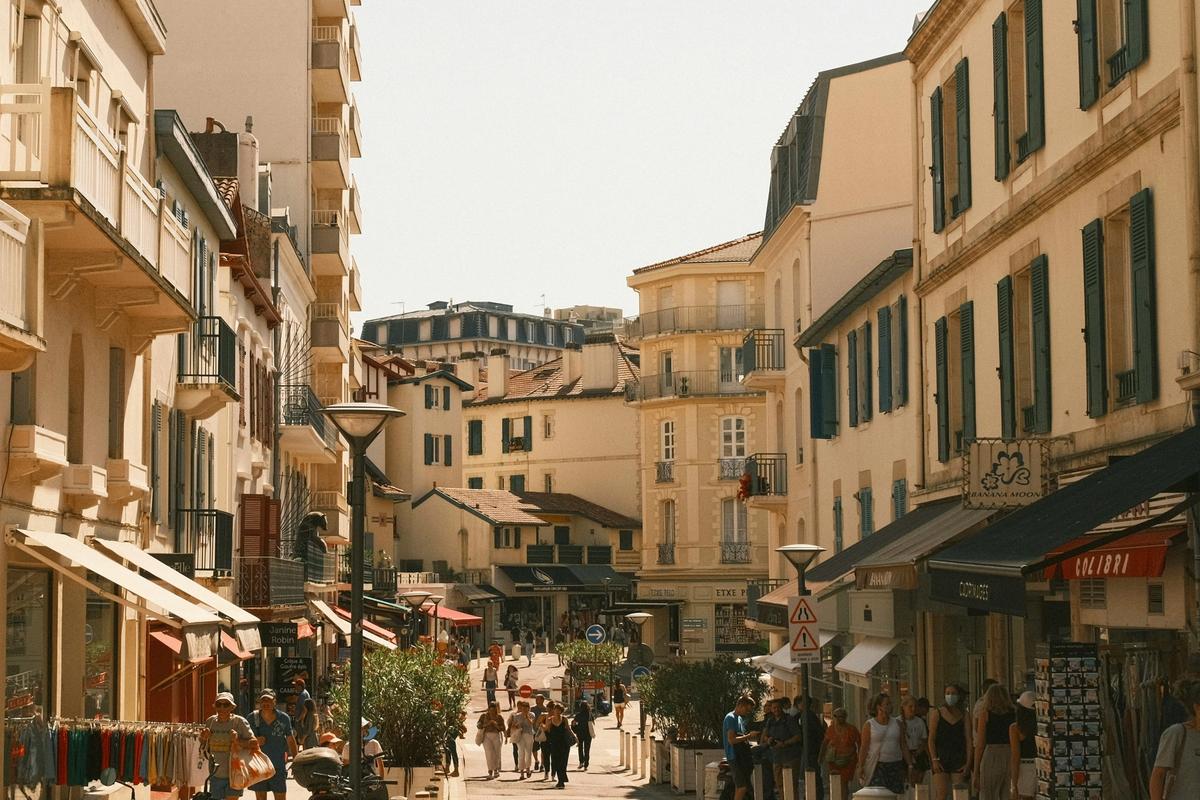
The Basque Country has been here longer than the countries that divide it. The language — Euskara — has no known linguistic relatives and has been spoken on this coast for longer than history records. The food culture runs at a level that has no real equivalent elsewhere in Europe: more Michelin stars per capita than anywhere on earth, a pintxos bar culture in San Sebastián that is, by any honest measure, one of the great eating experiences in the world. The coast itself — Biarritz to San Sebastián, with Hossegor, Guéthary, Saint-Jean-de-Luz, and Mundaka between them — is where modern European surfing was born. These things coexist here in a way that isn't manufactured: a region with a serious identity, a coastline with serious waves, and a table worth sitting at before and after both.
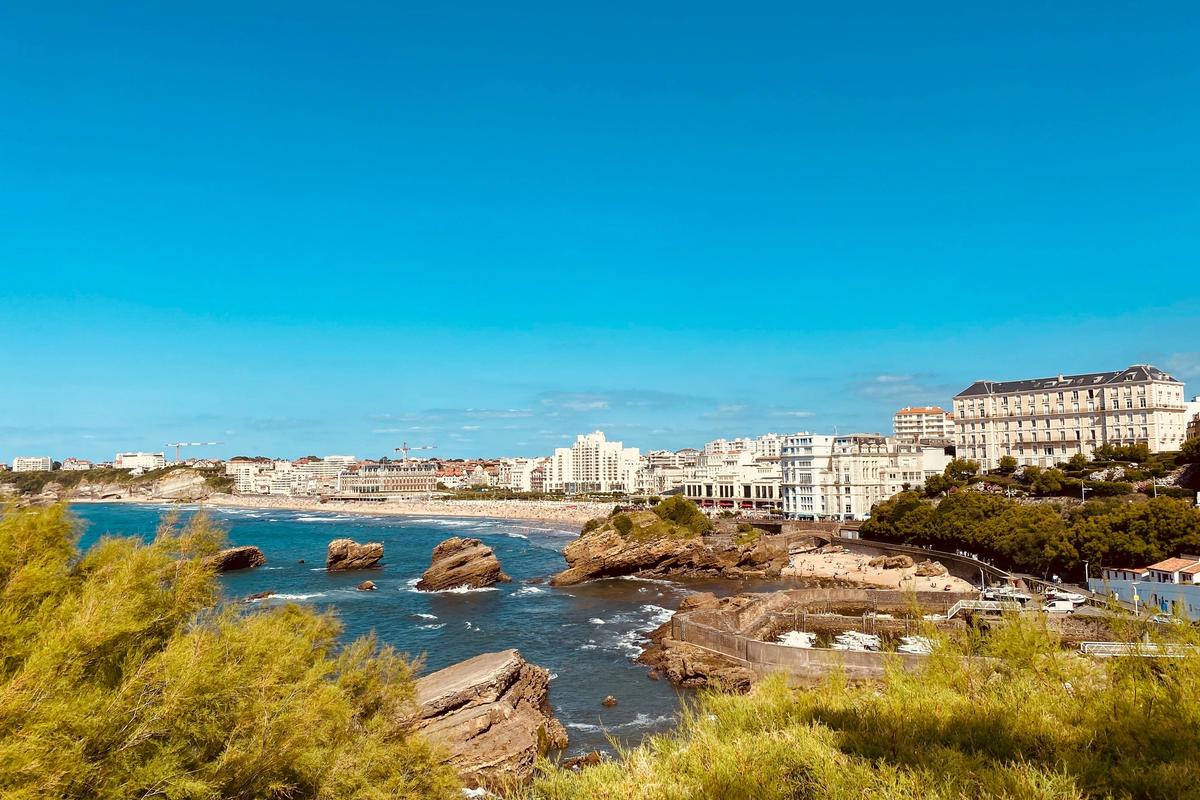
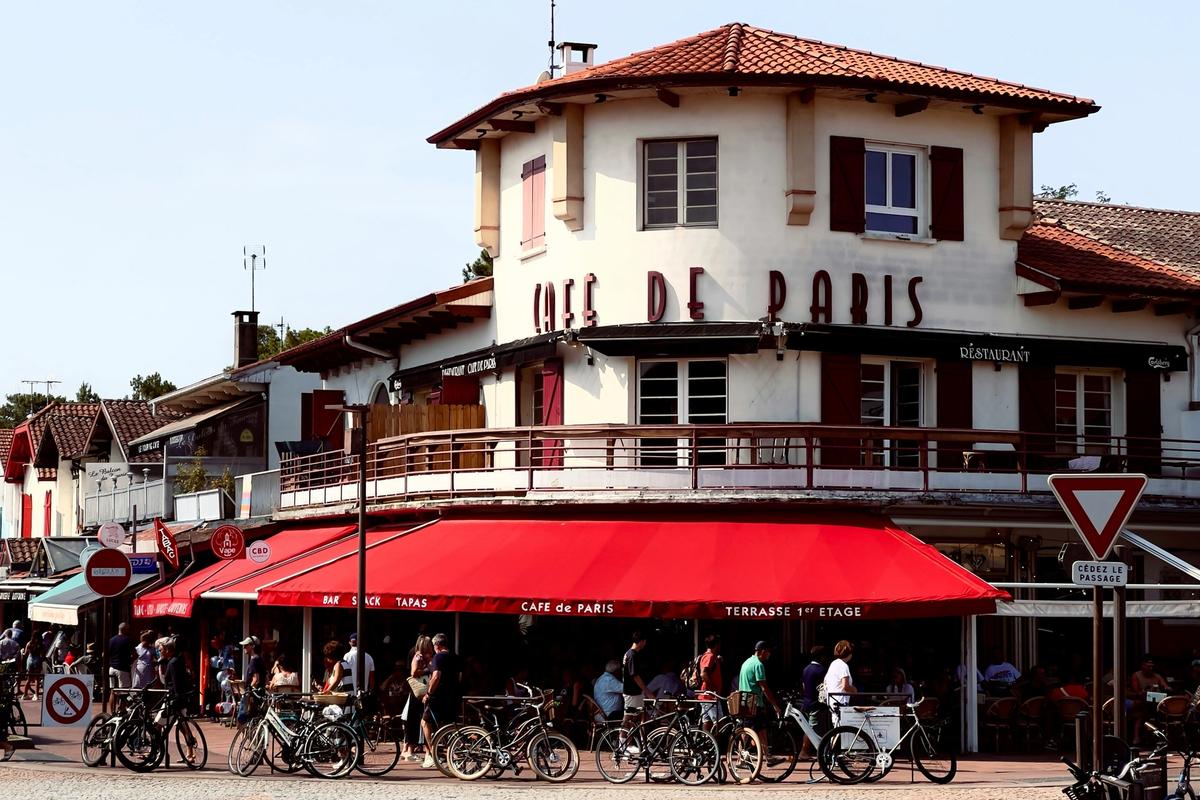
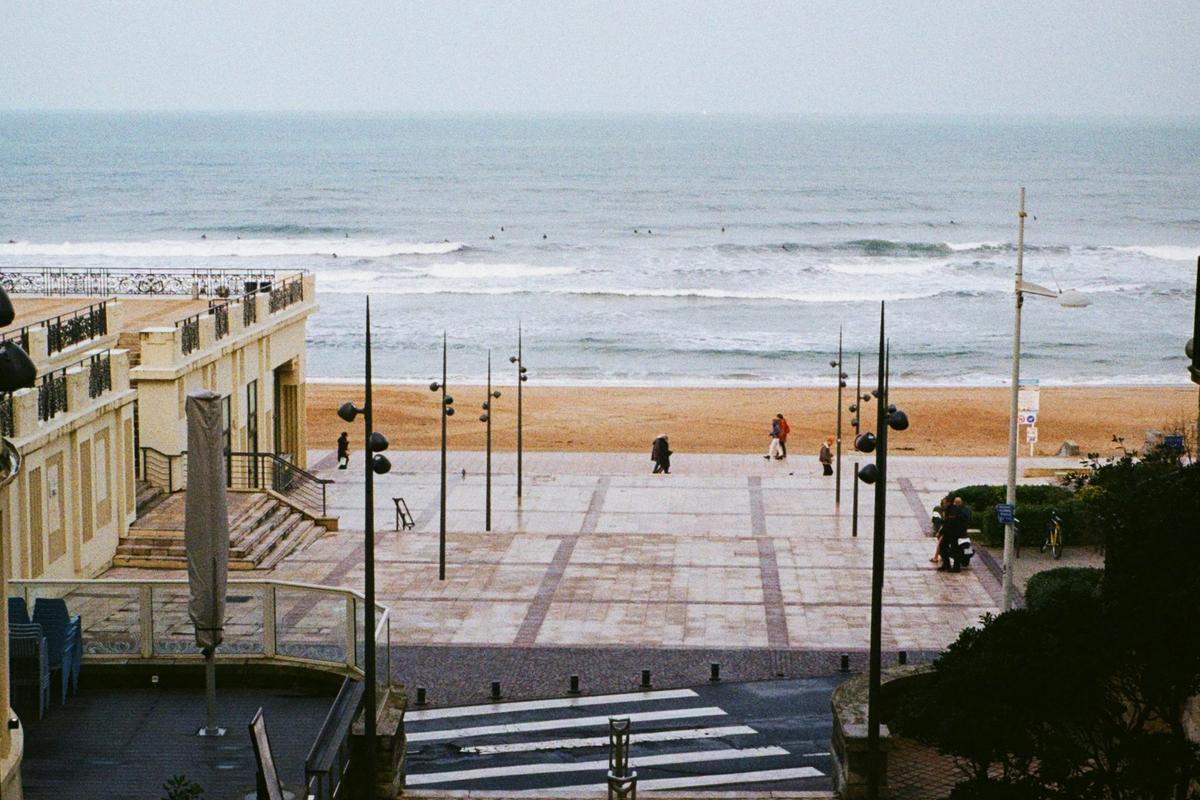
Hossegor holds the heaviest beach breaks in Europe — La Gravière pulls deep Atlantic swell onto a shallow sandbar and the result, in October, is what the WSL comes for. Biarritz is the gentler counterpart: points and beach breaks that work across a wider range of conditions, with the town built into the cliff above and the Grande Plage below. Across the border, Mundaka holds one of the longest left-hand point breaks in Europe on the rare days it lines up. The yoga studios in Biarritz and Hossegor run daily programmes at international standard. But the honest case for this coast is broader than surf: a week that moves between the lineup, the pintxos bars of San Sebastián, the covered market in Biarritz, and a dinner somewhere in the hills is one of the more complete travel weeks available on this continent.
The Basque Coast
The Basque Coast in pictures