
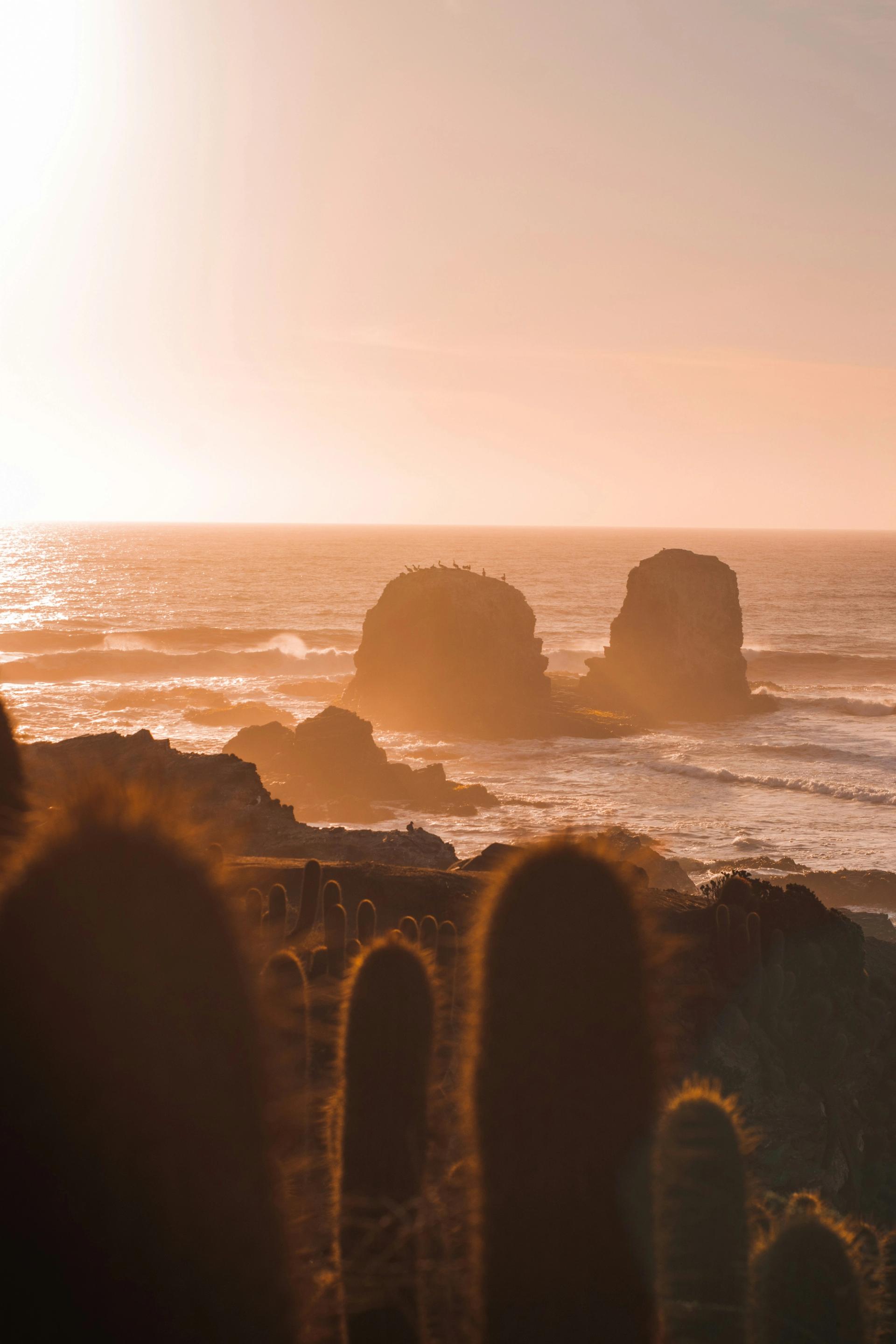
THE BEST SURF & DESIGN HOTELS · CHILE
Pichilemu & Valparaíso
Punta de Lobos was declared one of the Americas' first World Surfing Reserves in 2011 — a recognition of what serious surfers already knew. Two hours north, Valparaíso sits on 45 hills above the Pacific and makes a completely different argument for why you're here.
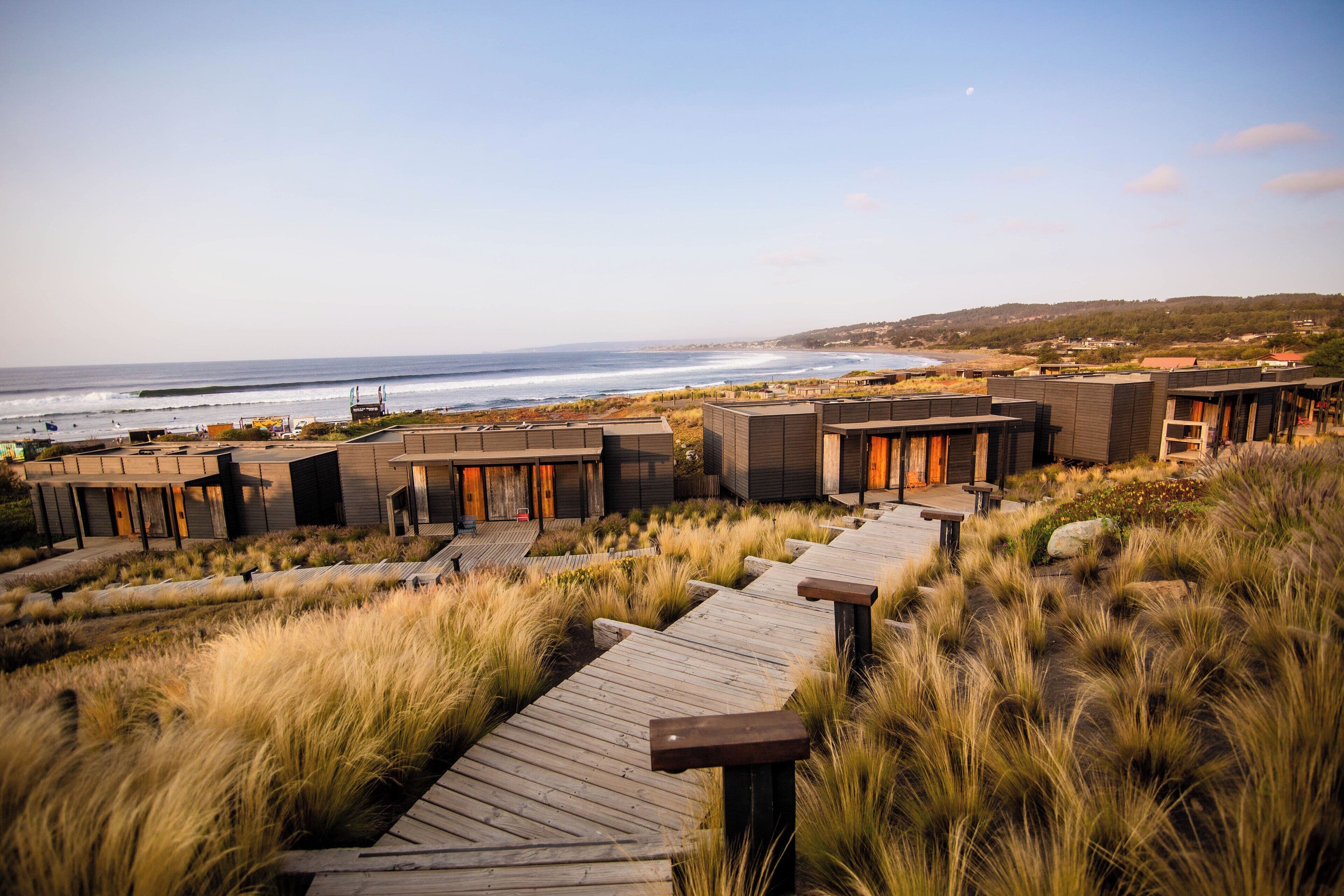
Chile's central Pacific coast runs south from Valparaíso through the O'Higgins region to Pichilemu — a stretch of coastline that produces some of the most consistent and powerful surf in the southern hemisphere. Surfing started here at the beach breaks of Ritoque north of Valparaíso in the early 1970s, led by divers who had the rubber to handle cold water before wetsuits were easy to find. Today Pichilemu is the country's surf capital: Punta de Lobos was declared the Americas' first World Surfing Reserve in 2011, and in winter the point holds walls that the XL circuit follows south for. Infiernillo, Puertecillo, and Matanzas fill out a coast where serious waves are separated by two or three hours of Andean foothills and empty Pacific highway.
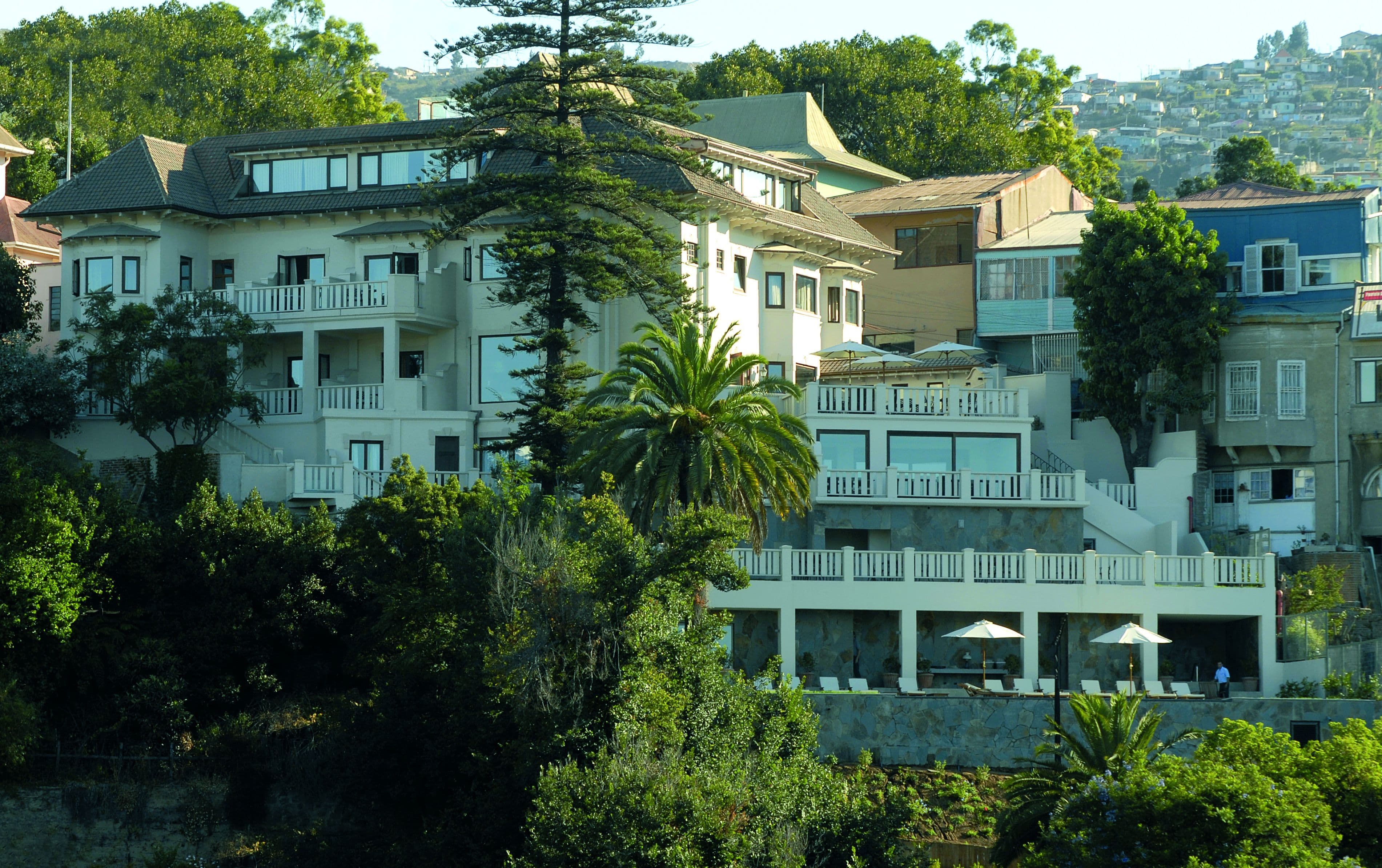
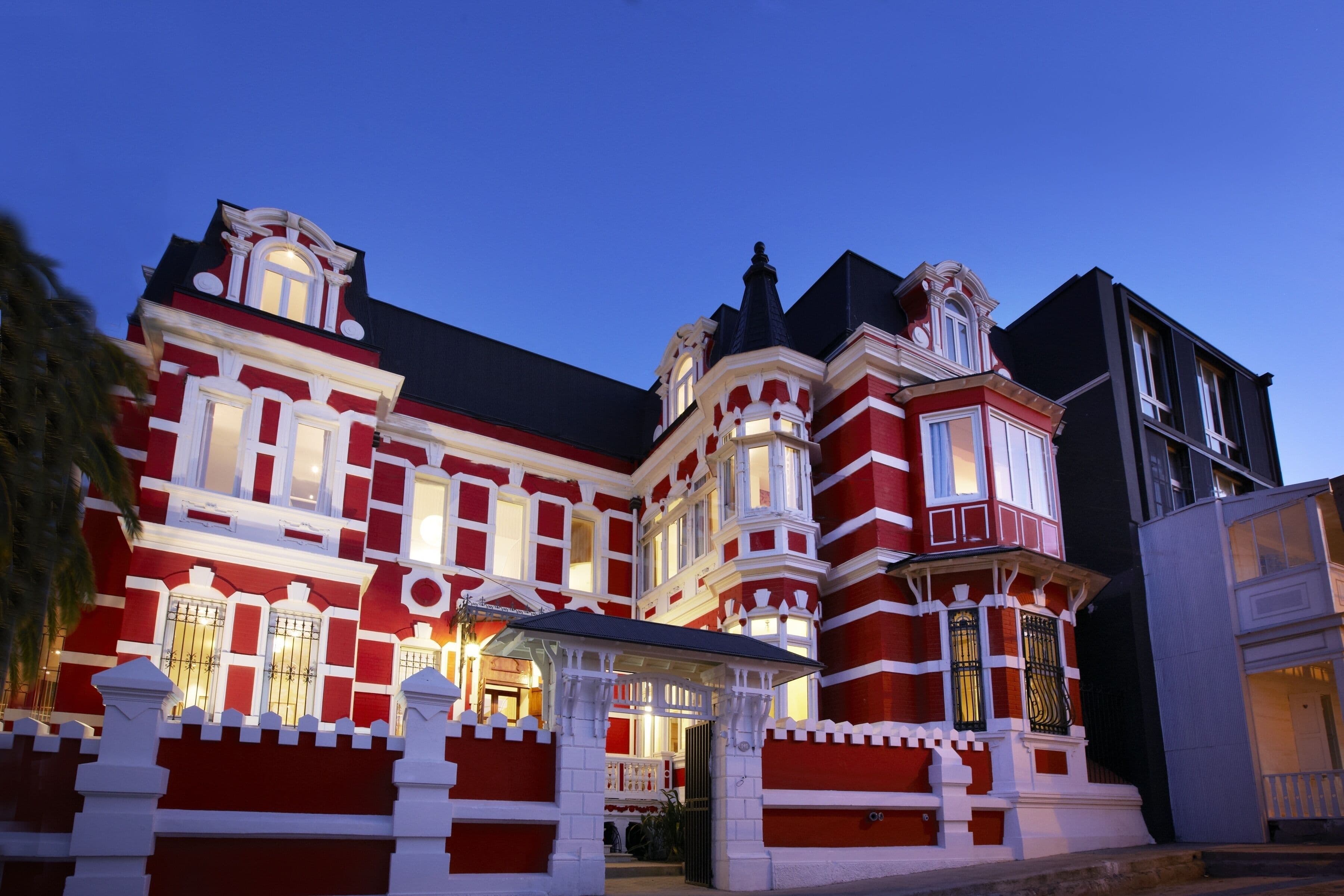
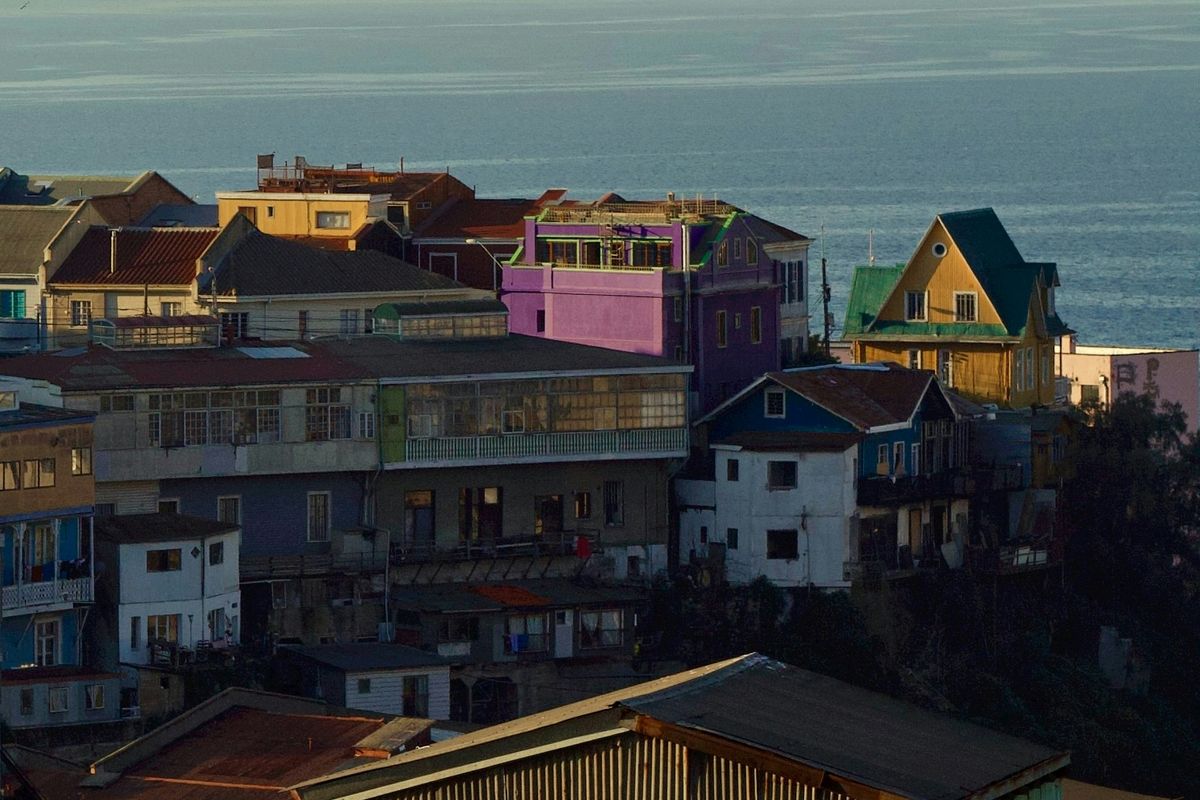
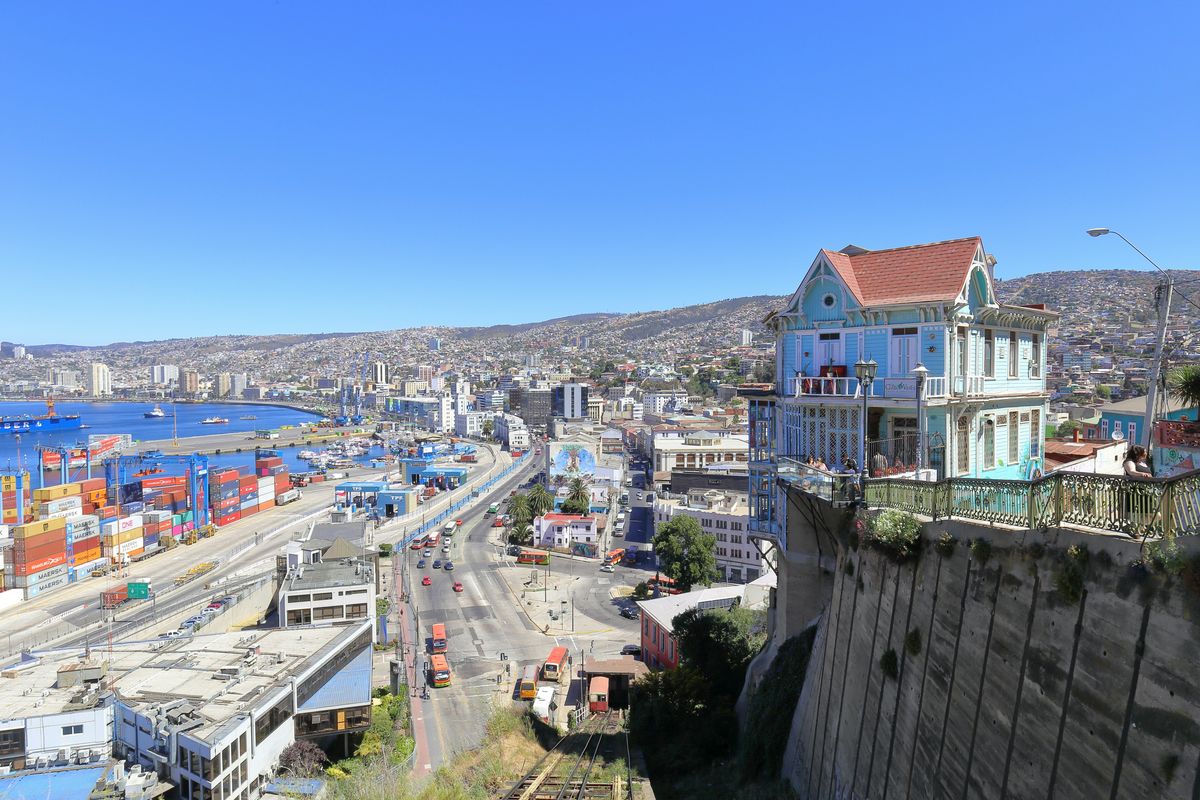
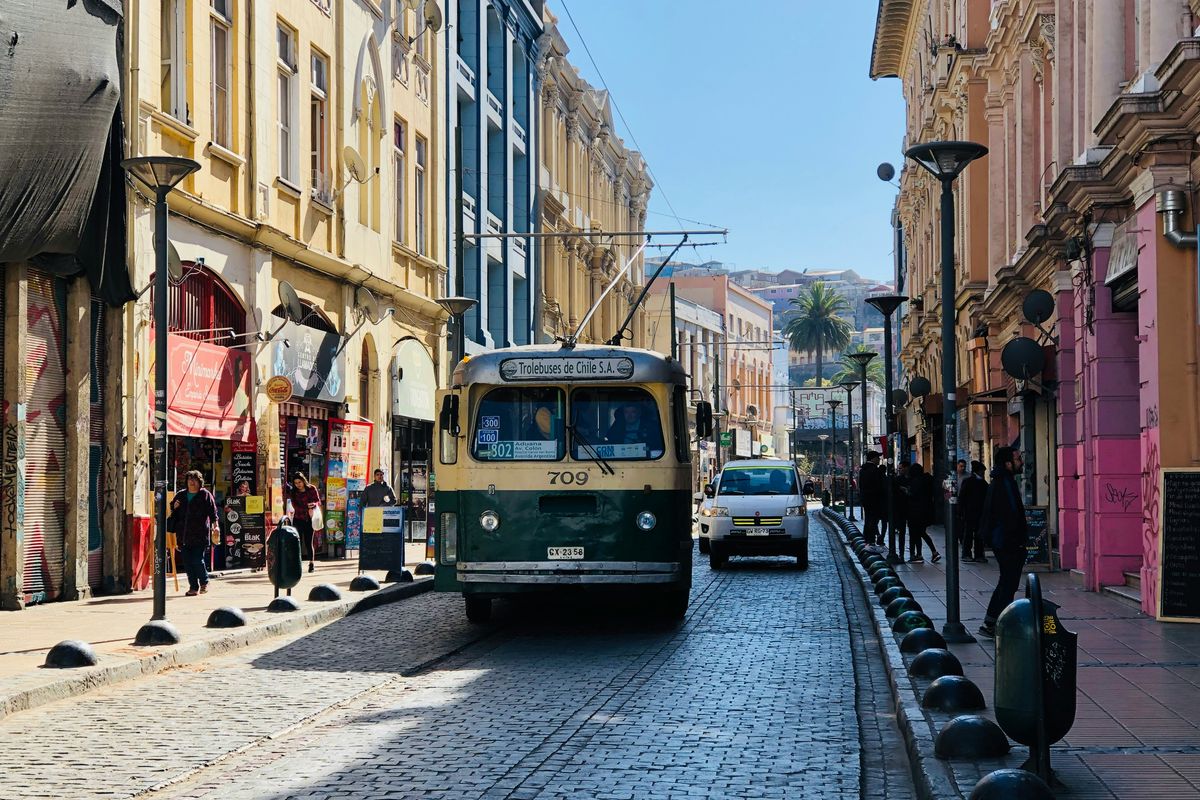
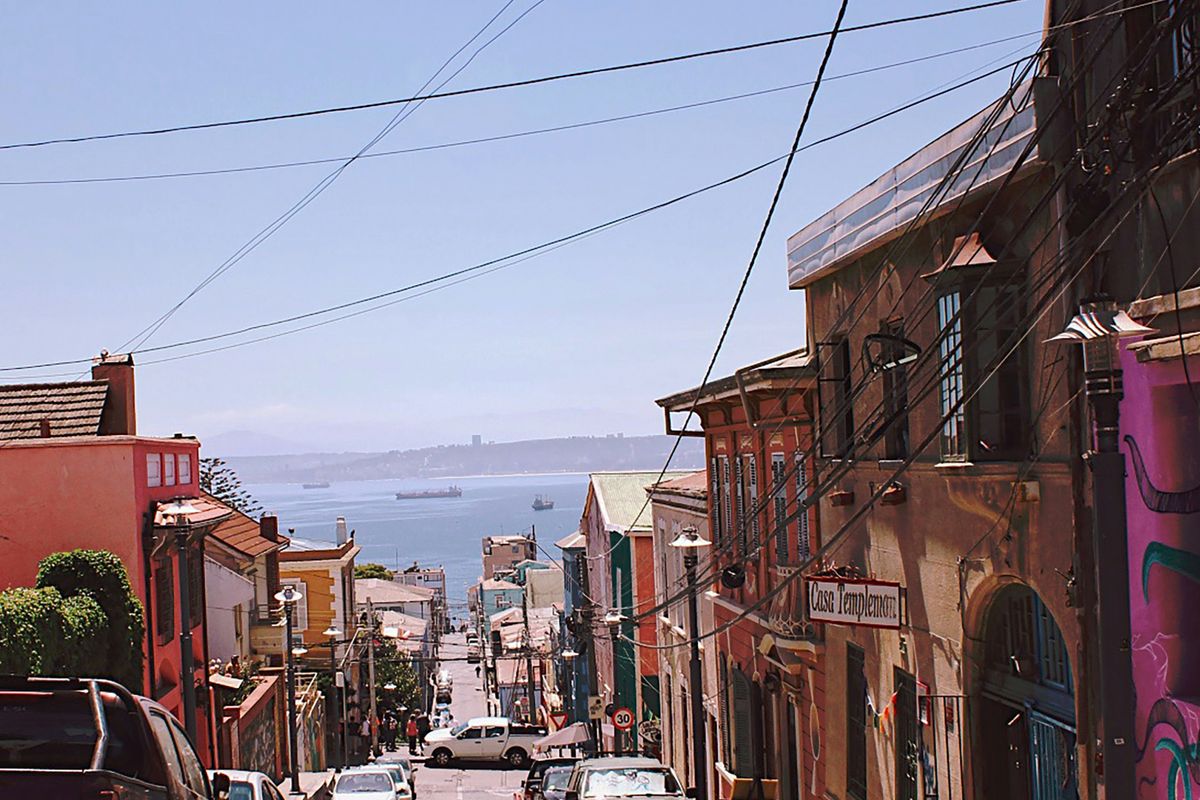
Valparaíso is a different proposition — a port city of 45 hills that was the most important trading port on the South American Pacific coast before the Panama Canal redirected the ships. The bohemian culture that filled the gap has been running for a century: street murals, independent galleries, a restaurant scene that punches well above the city's size, funicular railways that have been running since the 1880s. The surf on the surrounding coast — Big Bay at Viña del Mar, the breaks around Ritoque and Maitencillo — is more accessible than Pichilemu but never as serious. The hotels in this collection sit across both coastlines: two in Valparaíso for the city and design, one at the foot of Punta de Lobos for the wave.
In the collective
Where to stay in Pichilemu & Valparaíso
Pichilemu & Valparaíso
Pichilemu & Valparaíso in pictures
Elsewhere in the collective


