The best surf & design hotels · Bali
Alila Villas Uluwatu
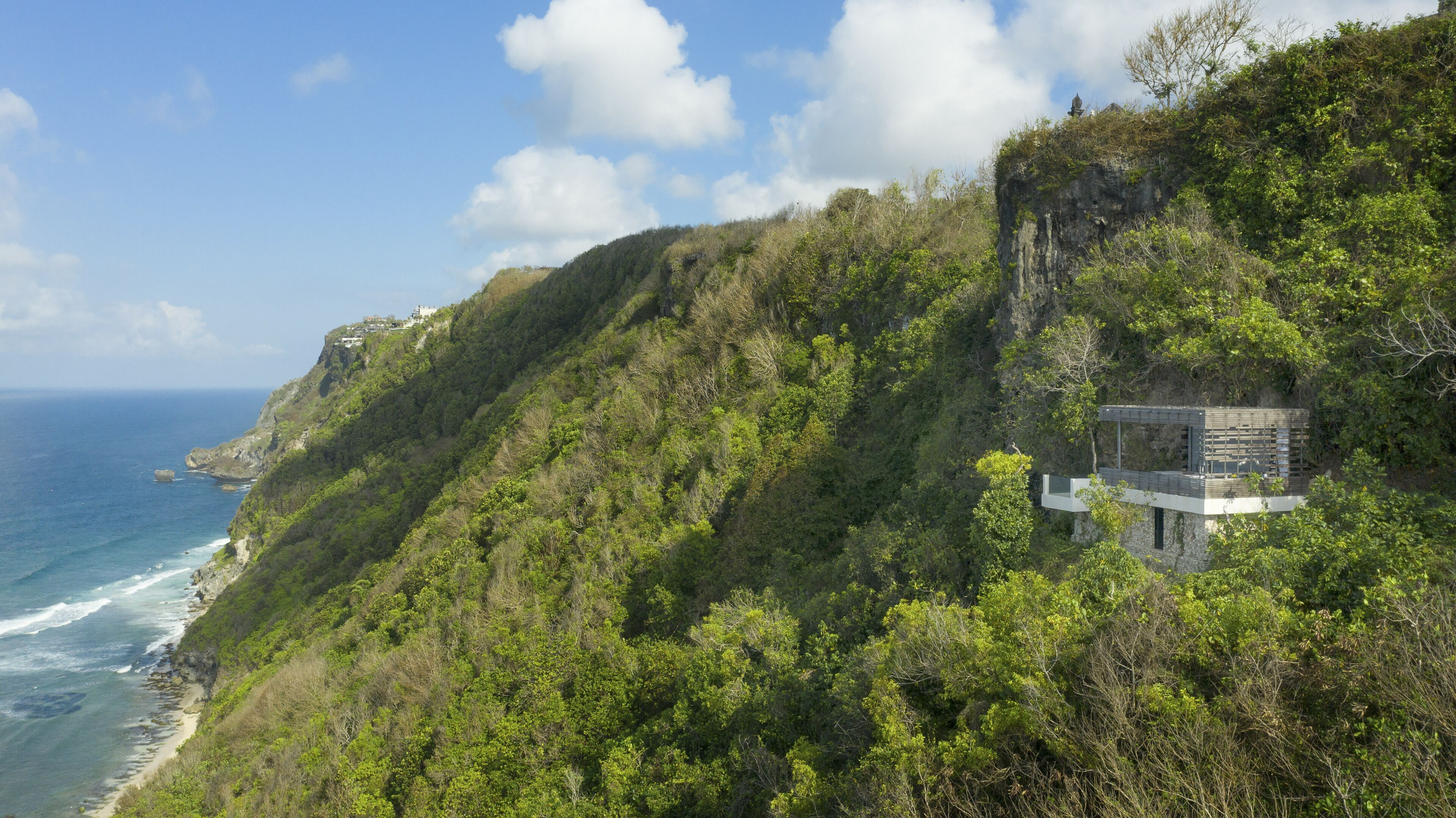
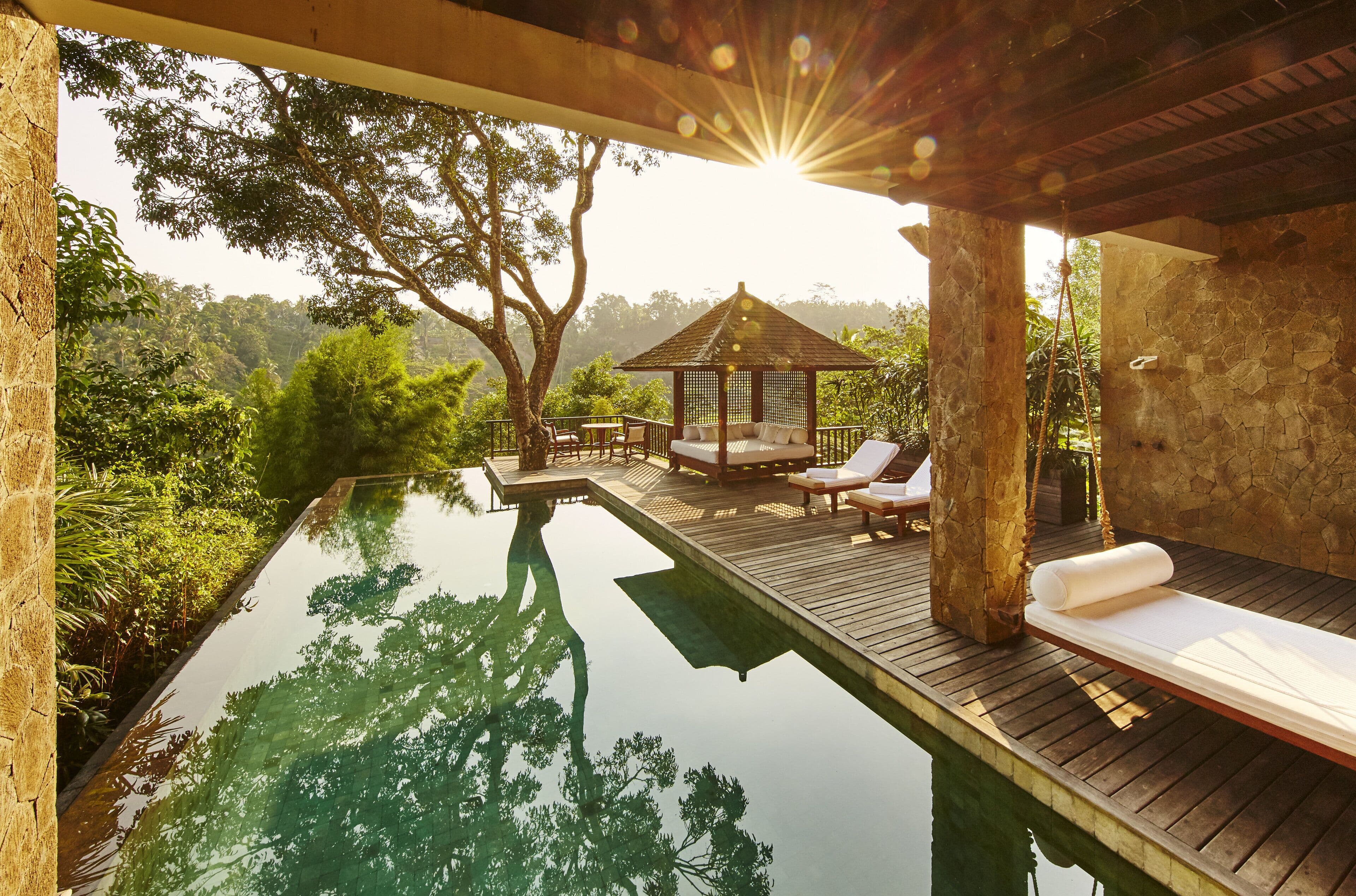
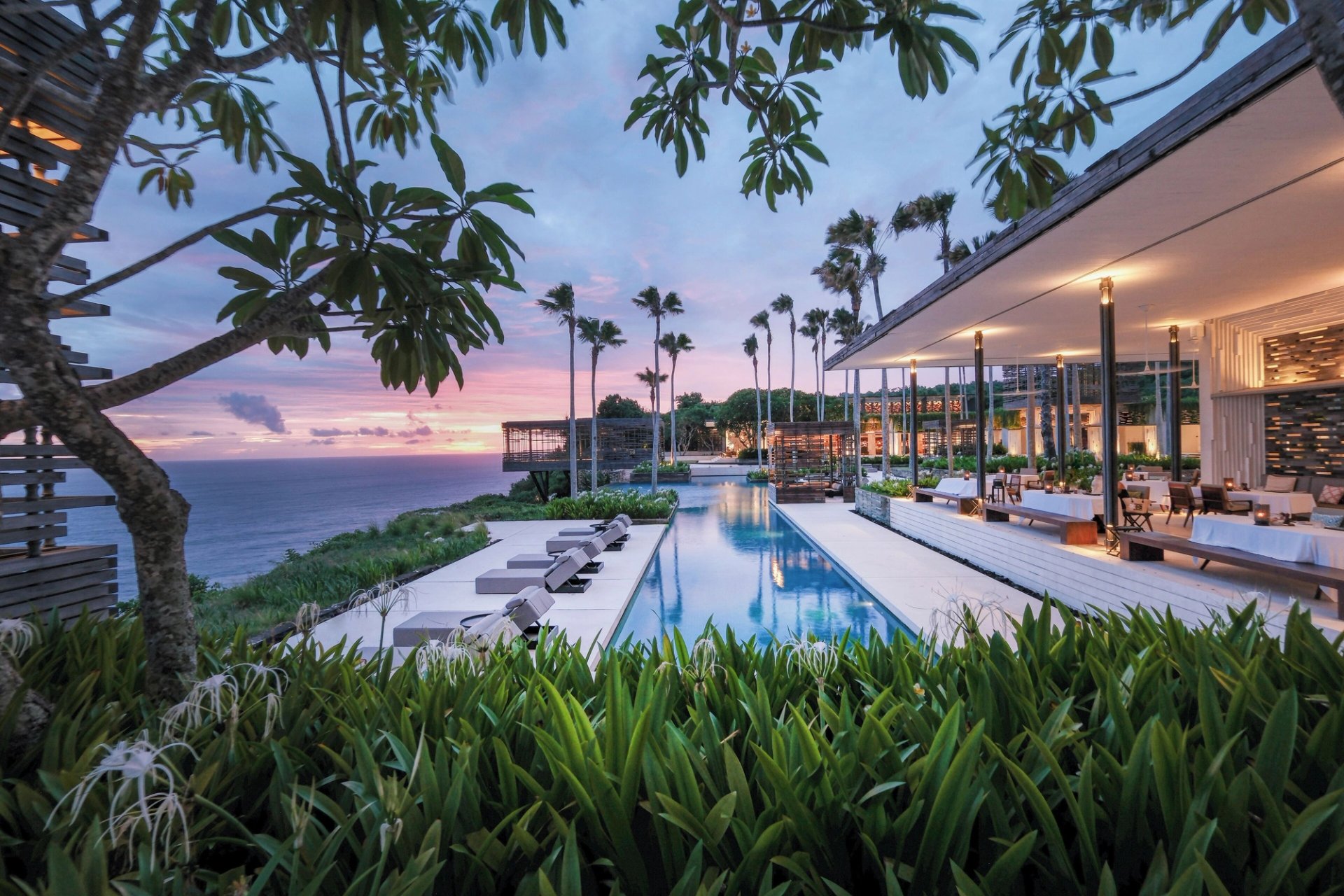
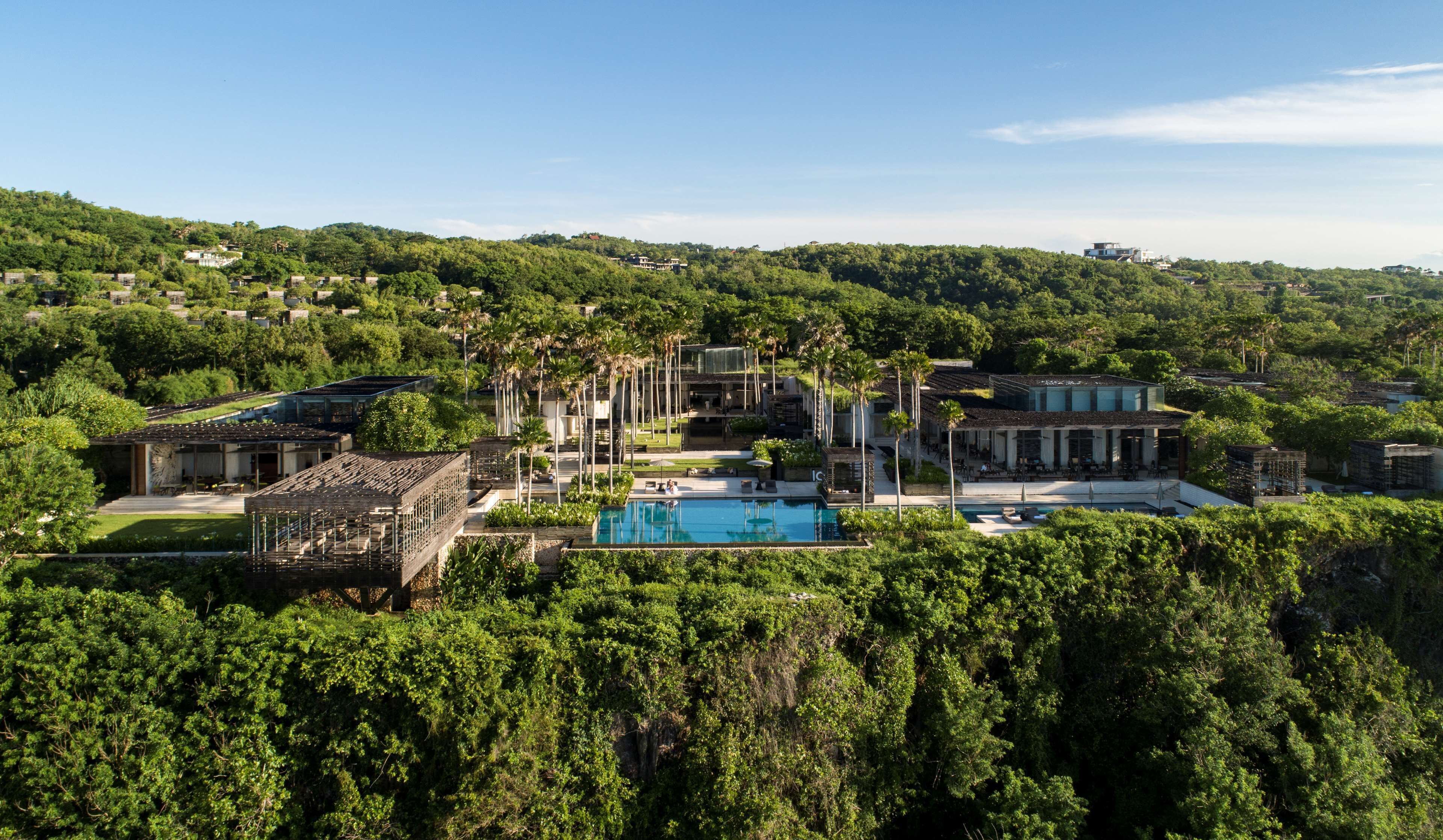
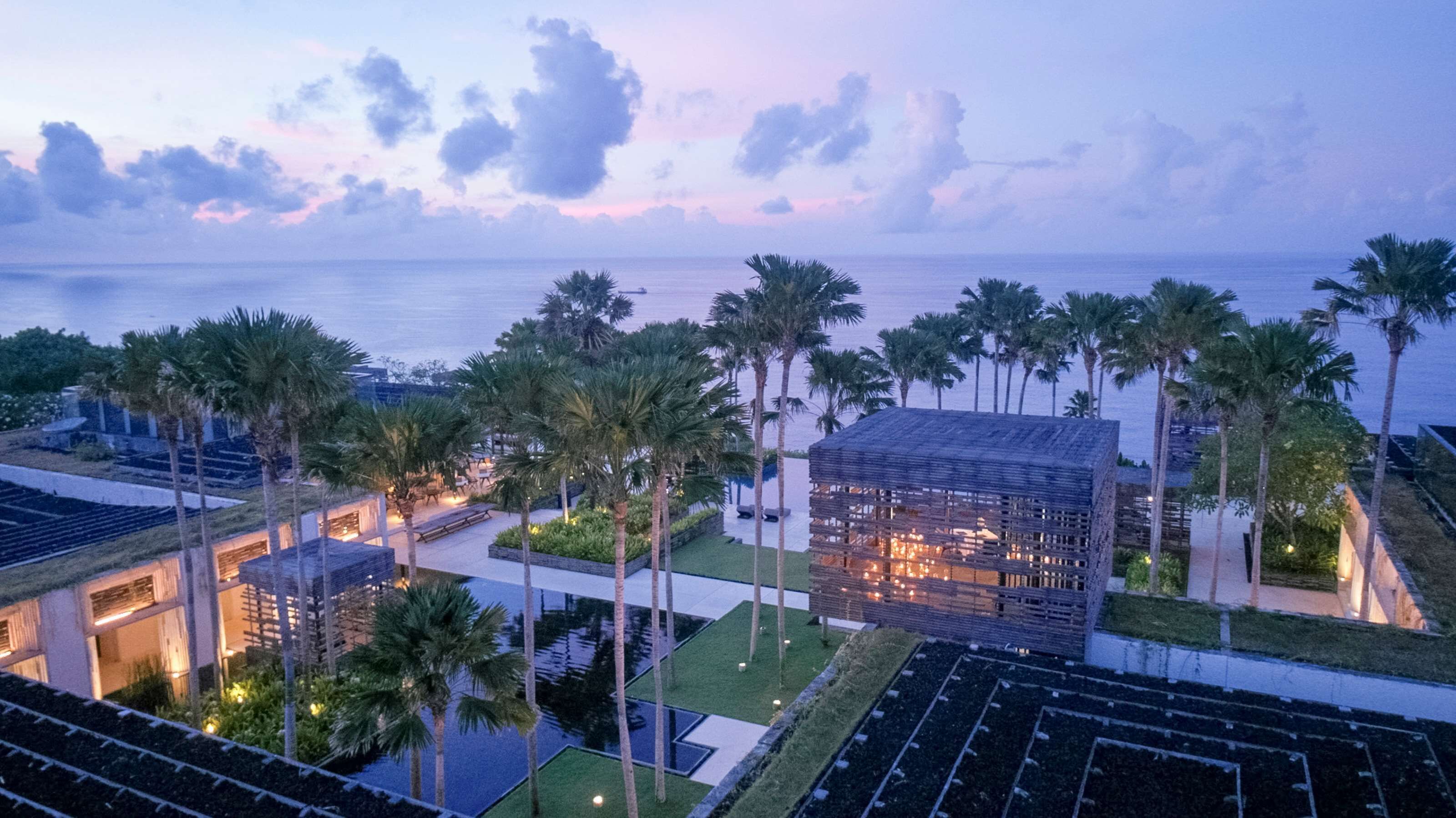
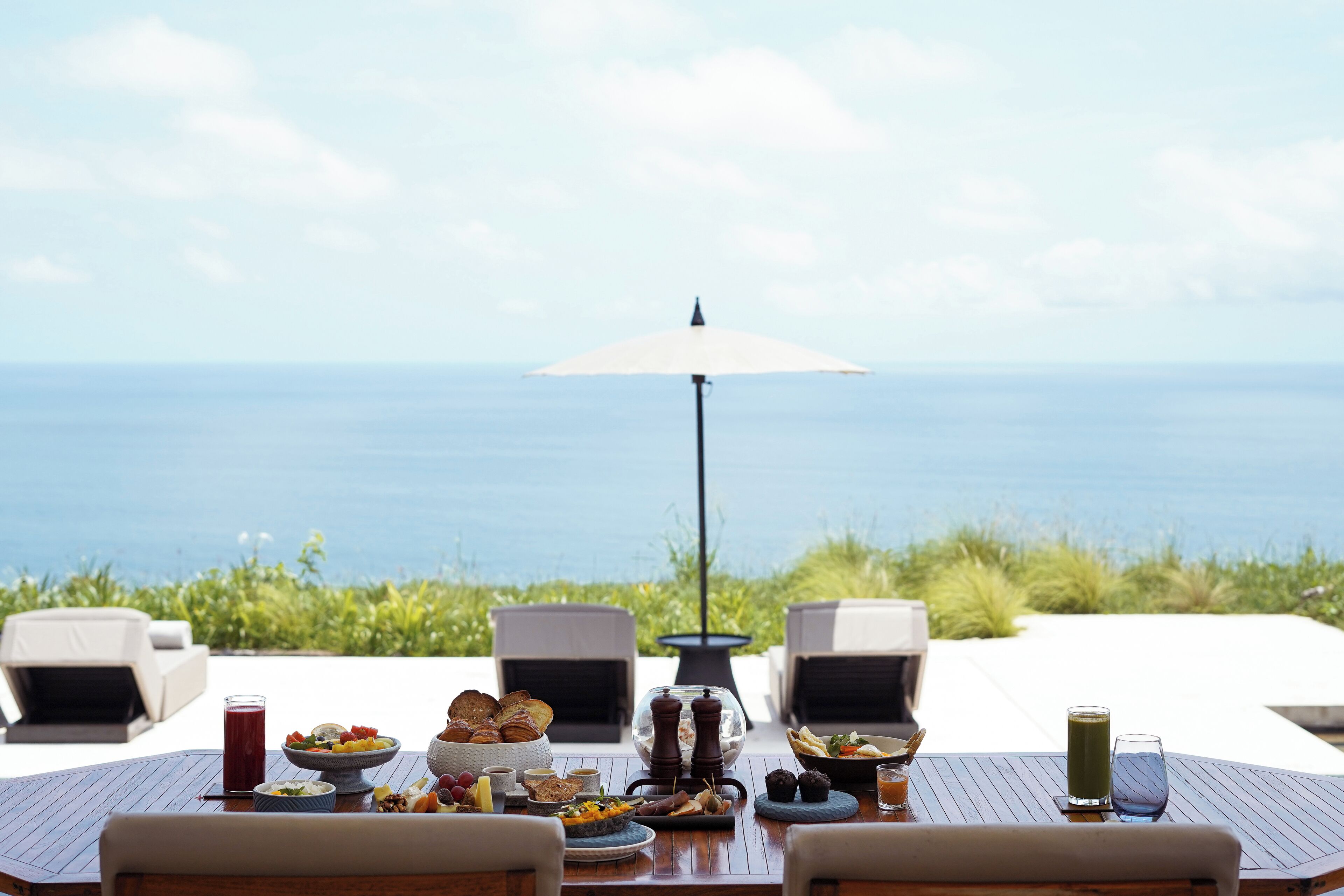
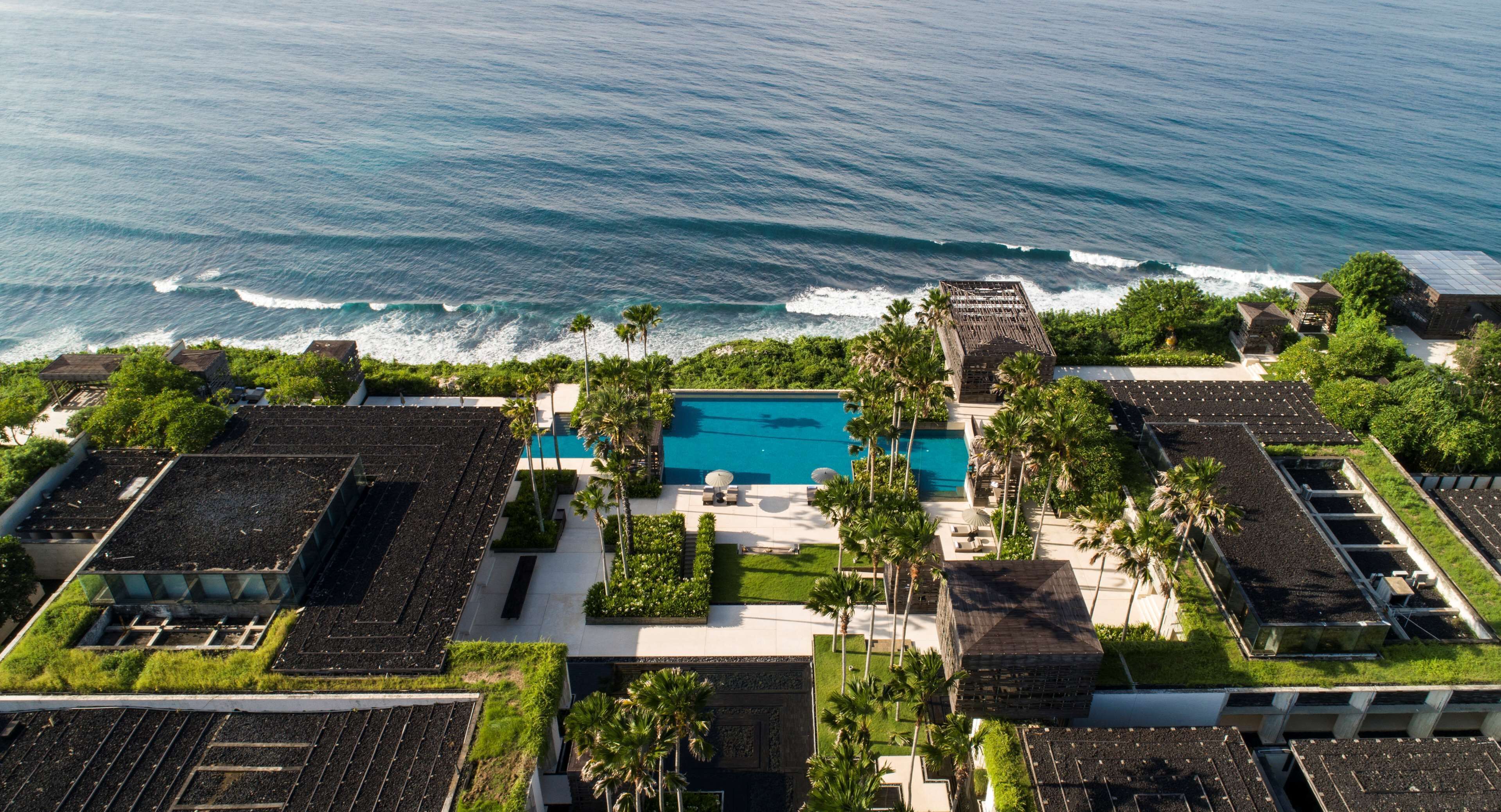
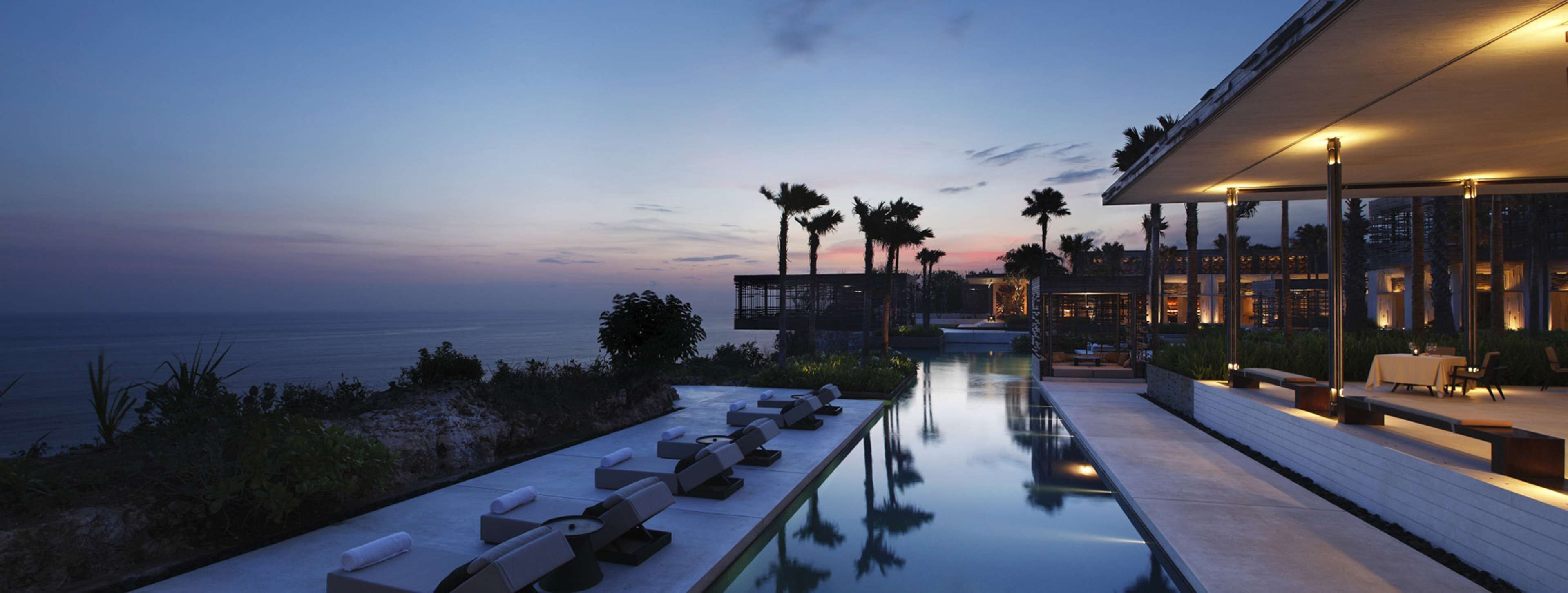
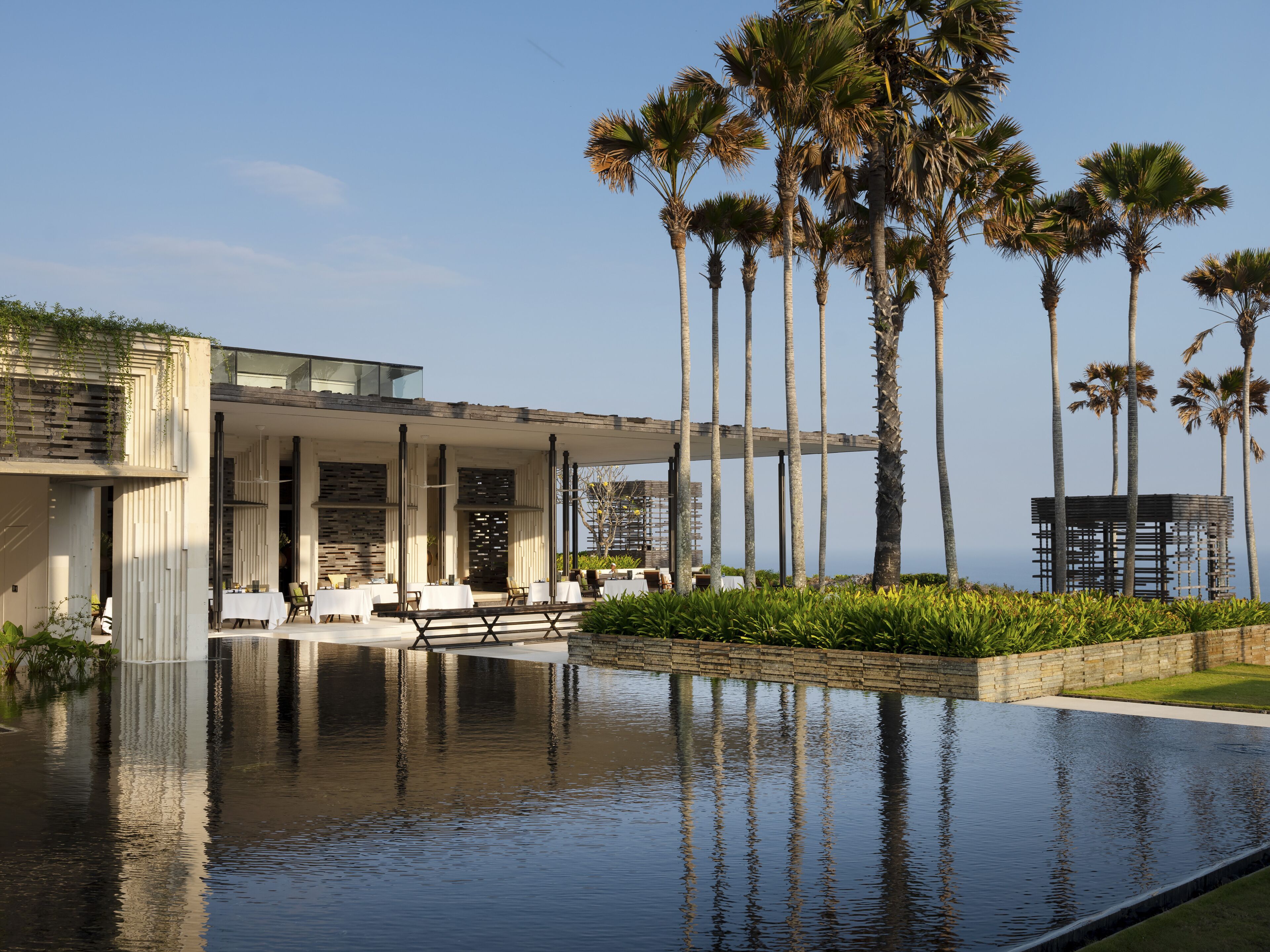
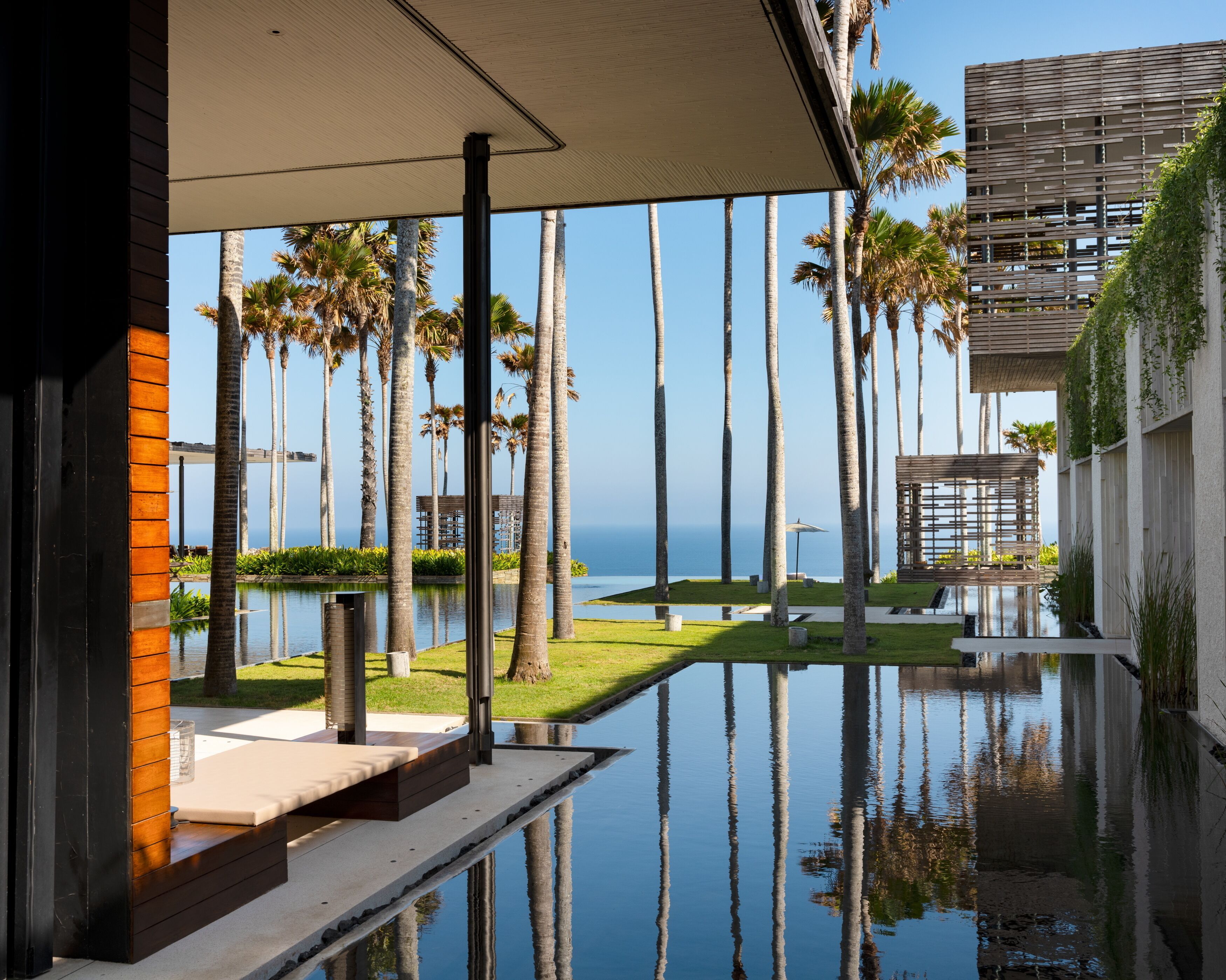
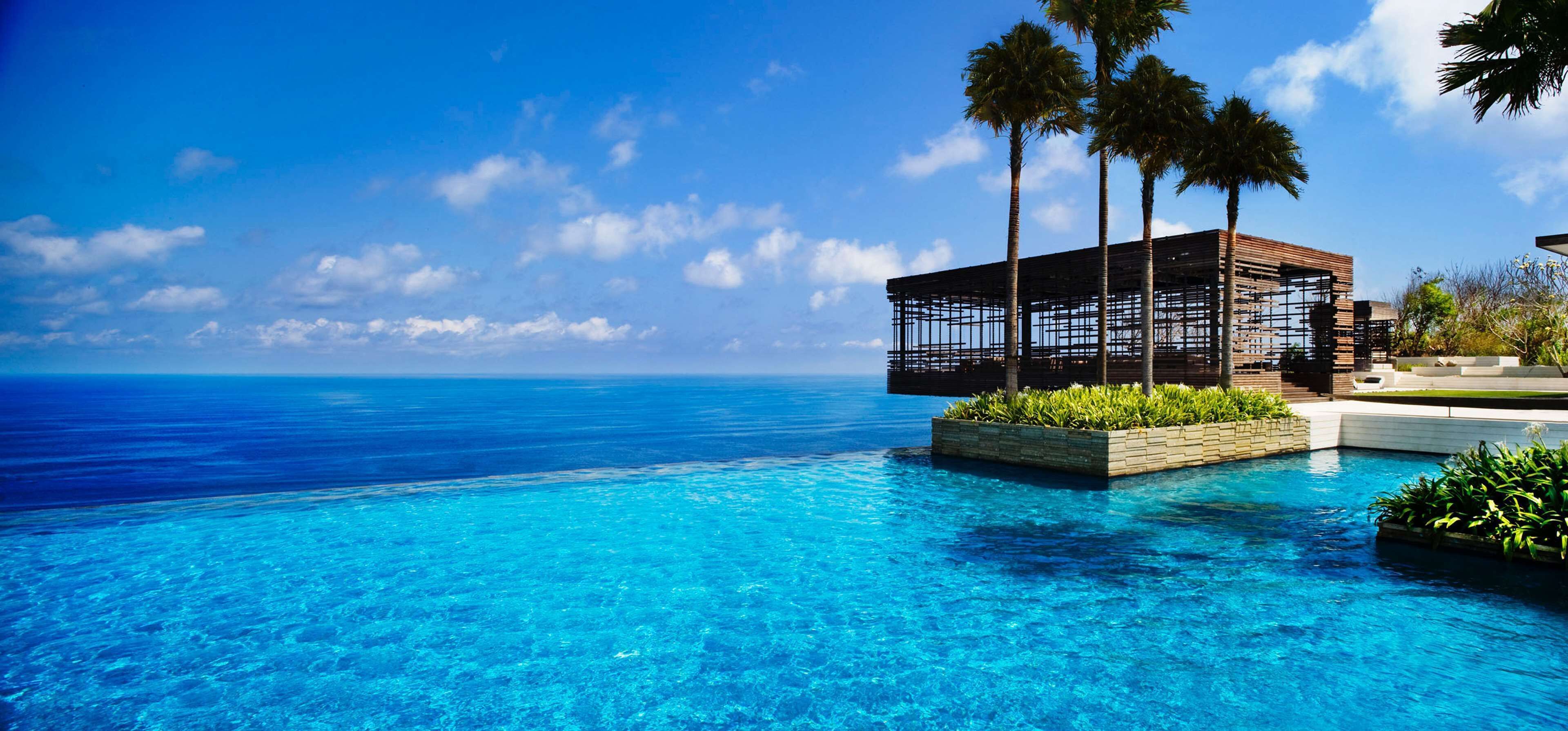
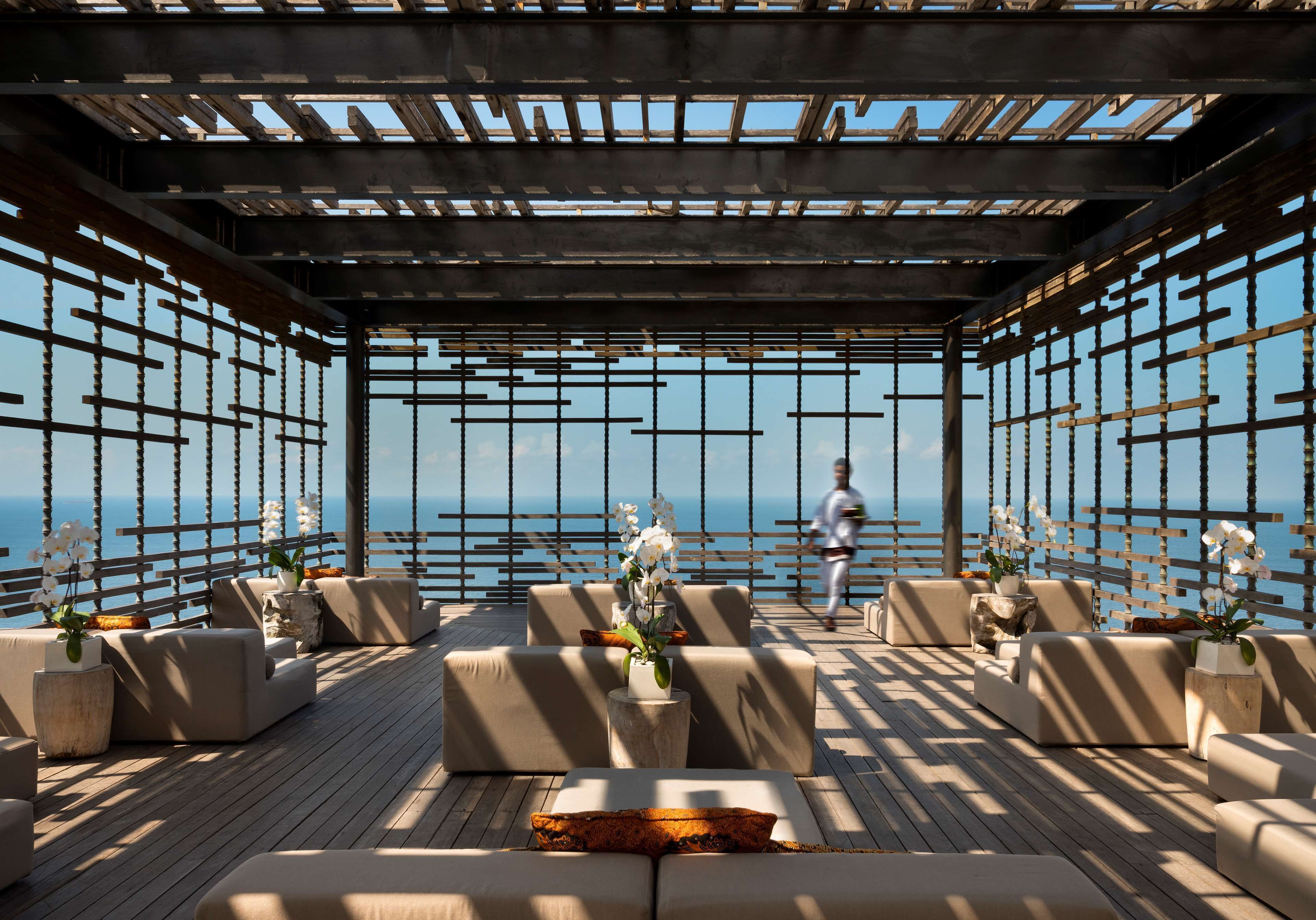
When WOHA arrived at the Bukit Peninsula in 2004, Richard Hassell said the site felt wild, open, dry and rough — unlike anywhere else in Bali. One hundred metres above the Indian Ocean, limestone cliff dropping to the Indian Ocean, savannah scrub behind. The hotel they built is made of it: limestone quarried from the site, pumice rock roofs growing ferns and succulents for natural insulation, lattice walls that dissolve into slivers against the cliff wind rather than blocking the view. The 50-metre infinity pool sits at the edge, water meeting horizon. Padang Padang and Bingin are the breaks below the cliff. Uluwatu is minutes away. The surf is not an amenity — it is the reason the site exists and the reason the building faces the way it does. EarthCheck Gold. ArchDaily. M&M Smith Best Dressed Hotel.
We earn a small commission on bookings, at no extra cost to you —
it's how Tide & Flow stays independent and ad-free.
The hotel
Sustainability
THE DESIGN
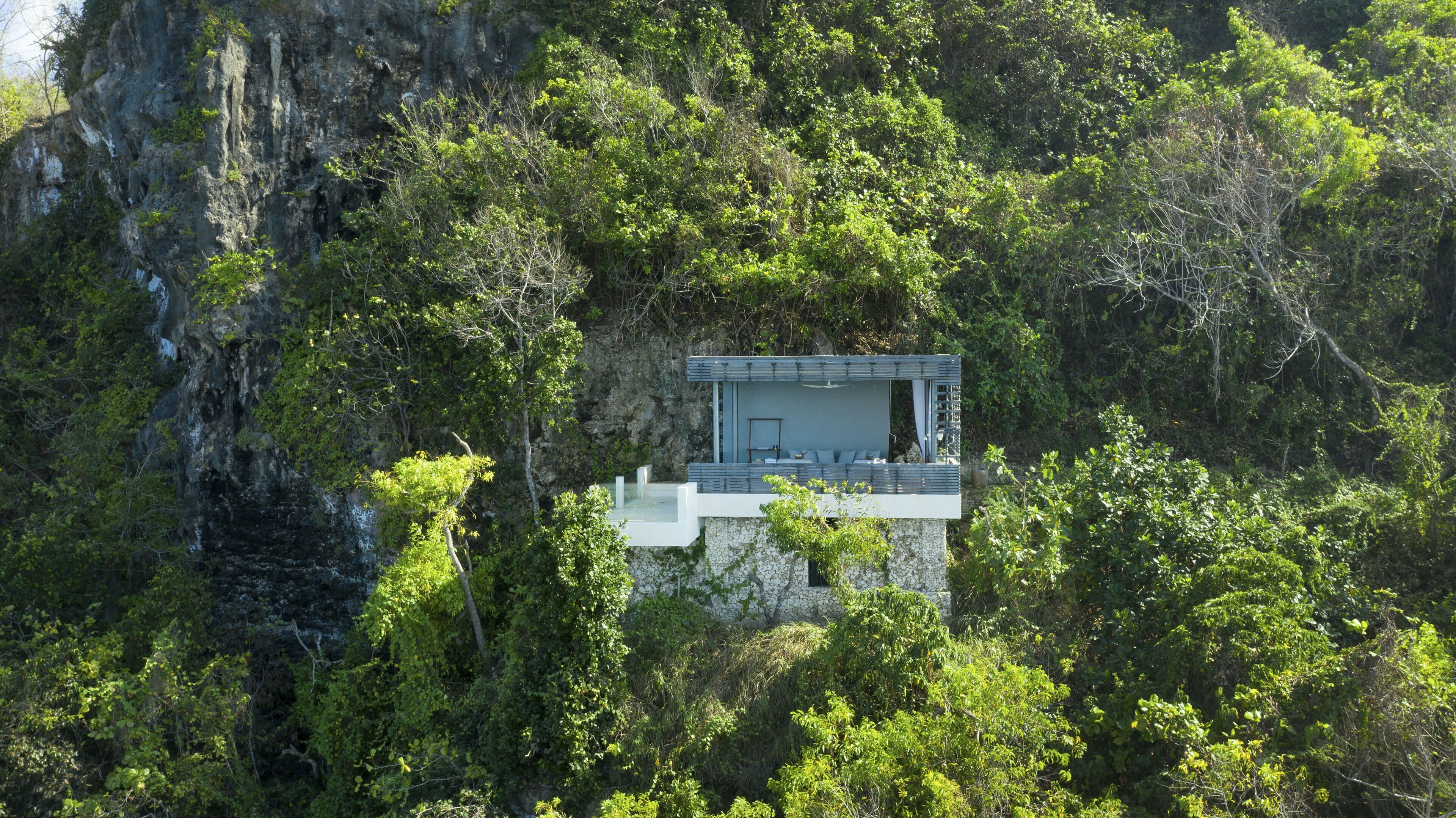
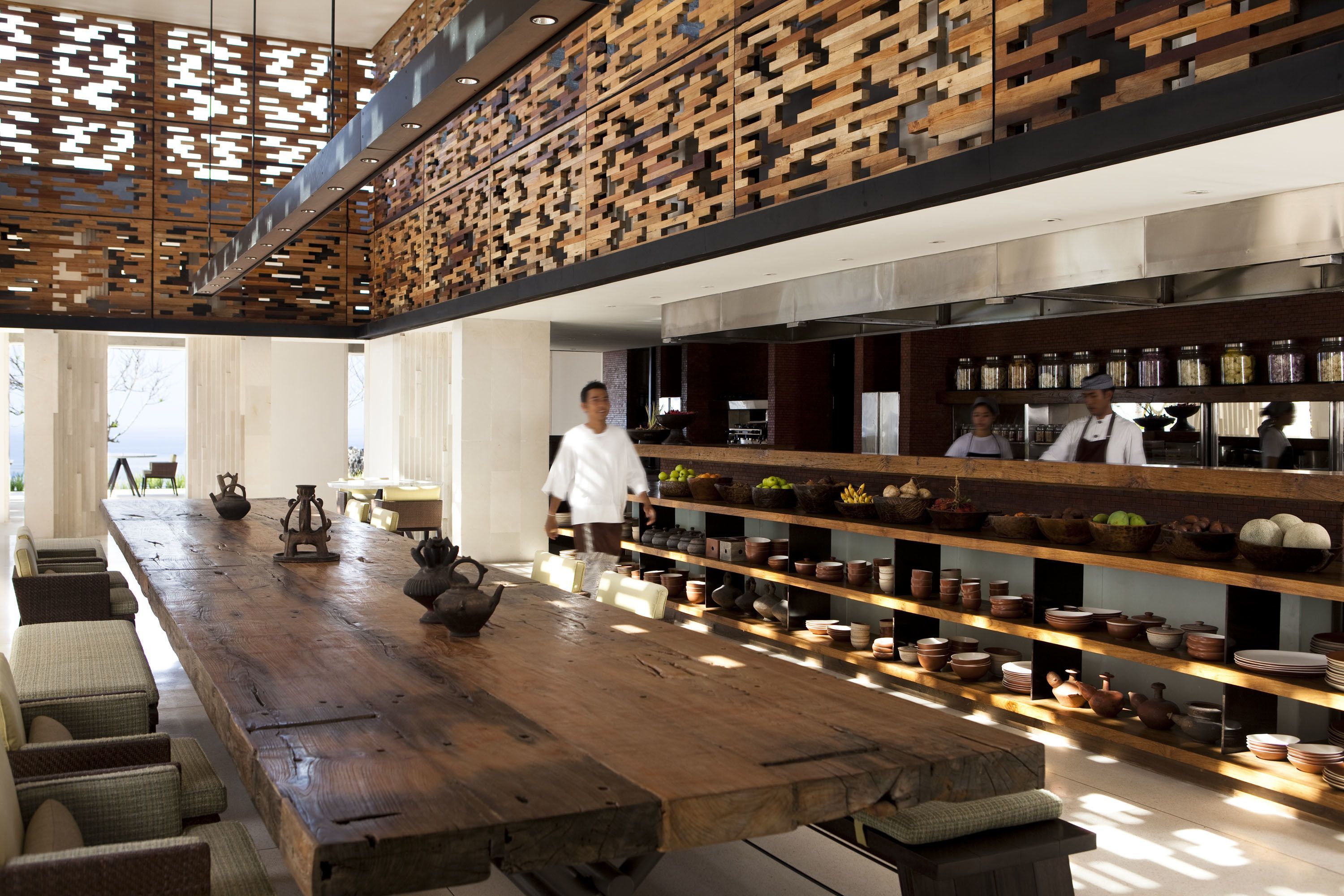
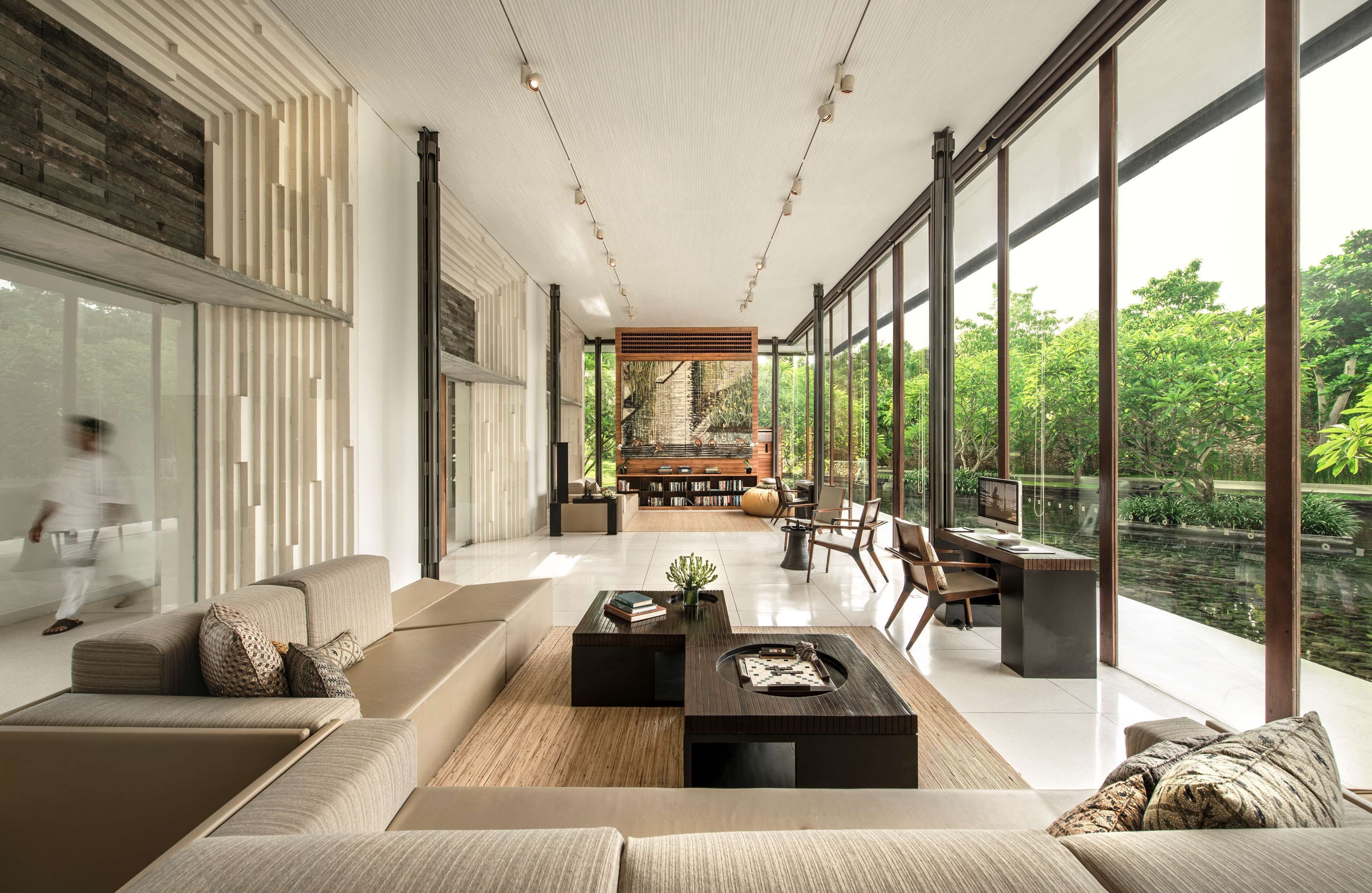
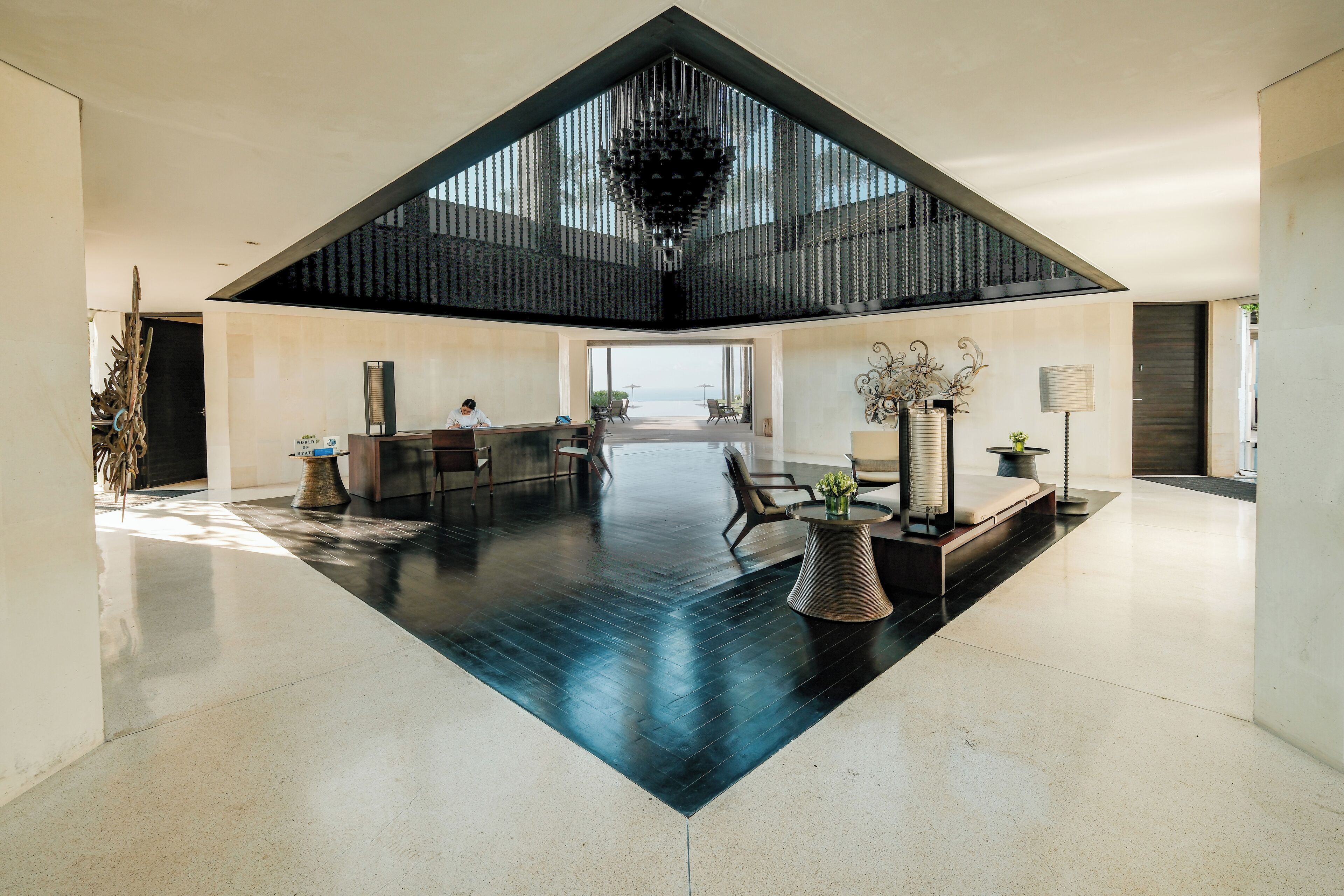
Limestone from the cliff. Pumice rock roofs growing succulents. Lattice walls that dissolve against the wind. The building is made of the place it stands on.
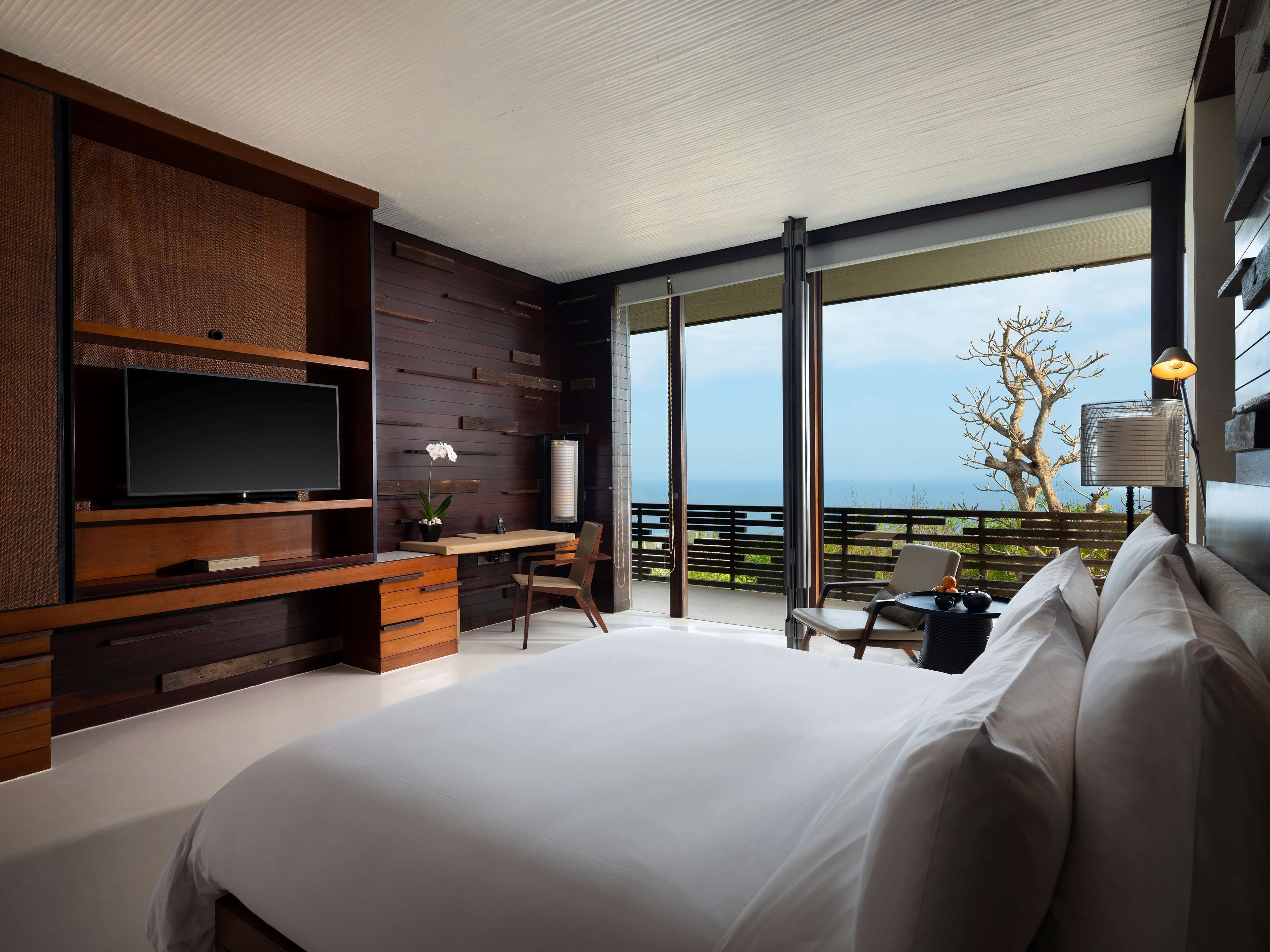
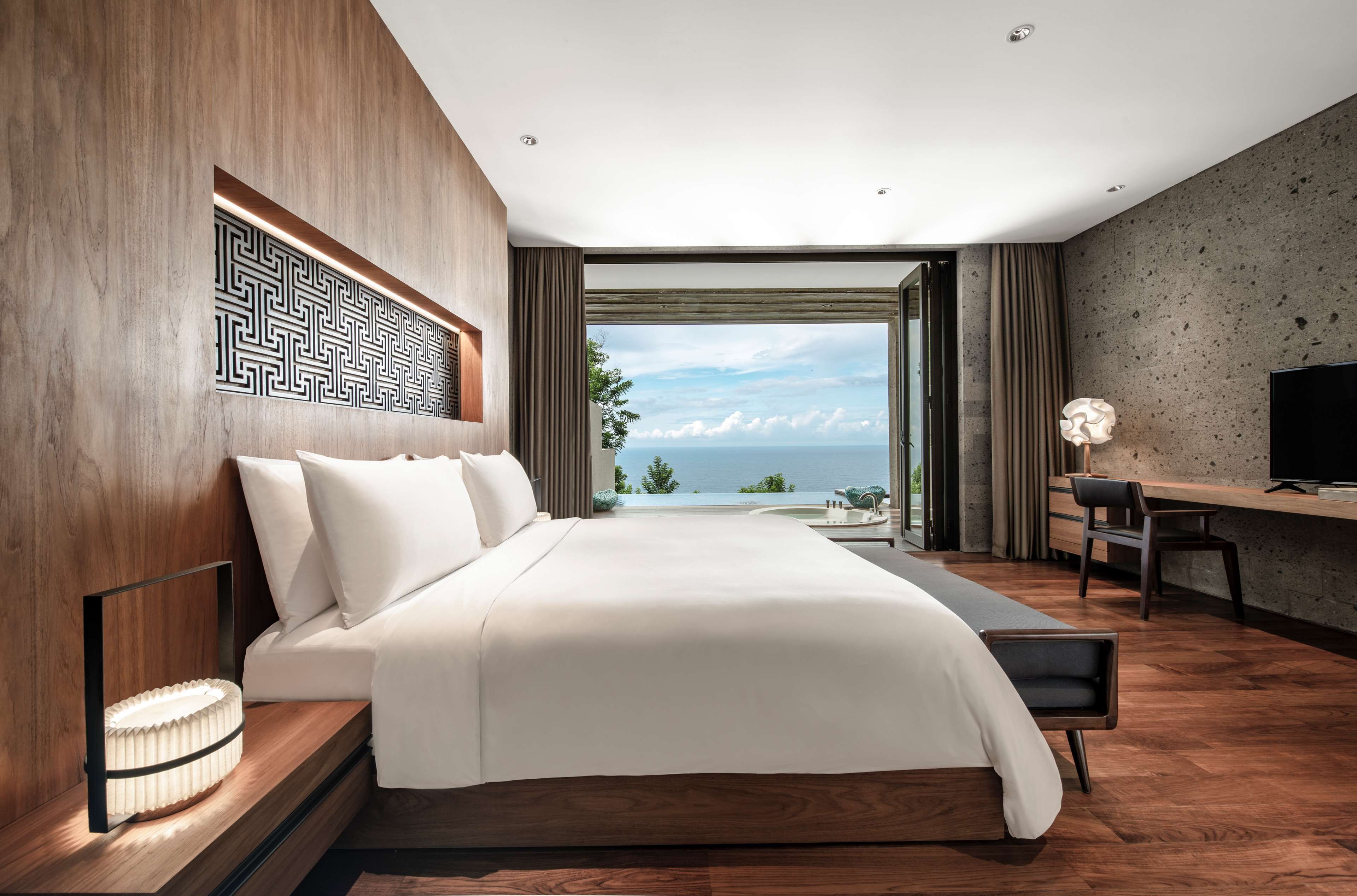
WOHA drew on Majapahit palace architecture, Carlo Scarpa's stepped stonework, and Mies van der Rohe's courtyard logic — not to produce a fusion but to find responses specific to this cliff, this climate, this wind direction. The guestroom walls are limestone boulders referencing local farmers' houses. The roofs grow ferns and succulents that insulate without adding weight. The lattice dissolves from solid to slivers where the view begins. None of it reads as a design decision made somewhere else and applied here.
THE DESIGN
Limestone from the cliff. Pumice rock roofs growing succulents. Lattice walls that dissolve against the wind. The building is made of the place it stands on.
WOHA drew on Majapahit palace architecture, Carlo Scarpa's stepped stonework, and Mies van der Rohe's courtyard logic — not to produce a fusion but to find responses specific to this cliff, this climate, this wind direction. The guestroom walls are limestone boulders referencing local farmers' houses. The roofs grow ferns and succulents that insulate without adding weight. The lattice dissolves from solid to slivers where the view begins. None of it reads as a design decision made somewhere else and applied here.
THE SUSTAINABILITY
First hotel in Indonesia to receive EarthCheck Building Planning certification. EarthCheck Gold five years later. The sustainable design was not added after the fact — it was the design brief.
Alila Villas Uluwatu was designed from the outset under EarthCheck's Building Planning and Design standard — the first hotel in Indonesia to do so. EarthCheck Gold followed in 2014, meaning five consecutive years of certified sustainable operations. The construction used locally sourced limestone, recycled railway sleepers, and Balinese pumice for roofing. Rainwater is harvested, conserved, and rerouted to pools and gardens. Wastewater is managed on site. The native plant nursery means the surrounding savannah landscape was restored rather than replaced. The cliff and the ecosystem it supports were treated as the brief, not the obstacle.
THE SUSTAINABILITY
First hotel in Indonesia to receive EarthCheck Building Planning certification. EarthCheck Gold five years later. The sustainable design was not added after the fact — it was the design brief.
Alila Villas Uluwatu was designed from the outset under EarthCheck's Building Planning and Design standard — the first hotel in Indonesia to do so. EarthCheck Gold followed in 2014, meaning five consecutive years of certified sustainable operations. The construction used locally sourced limestone, recycled railway sleepers, and Balinese pumice for roofing. Rainwater is harvested, conserved, and rerouted to pools and gardens. Wastewater is managed on site. The native plant nursery means the surrounding savannah landscape was restored rather than replaced. The cliff and the ecosystem it supports were treated as the brief, not the obstacle.